Turkey begins mass production of Altay tanks: the path to self-sufficiency, modernization and a new era of armored vehicles
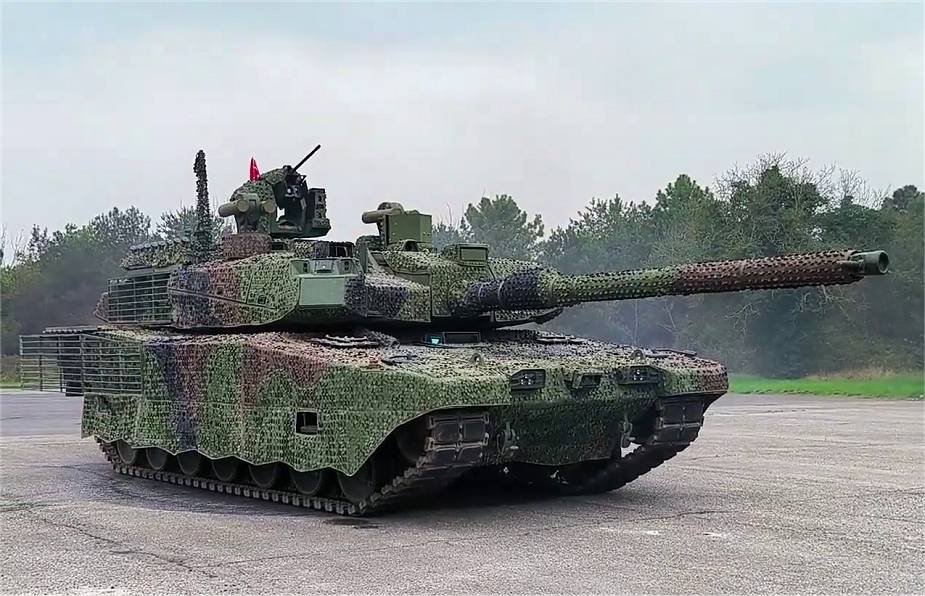
Ankara, December 6, 2025 – Turkey has officially begun mass production of its long-developed Altay main battle tank, completing a technological and industrial project that has lasted more than a decade. During a ceremony in Ankara, the Turkish Armed Forces took delivery of the first mass-produced units, marking the transition from prototyping to full-scale production.
This is a step of far-reaching significance – not only for the modernization of the Turkish army, but also for Ankara’s ambitions to become a self-sufficient manufacturer of heavy armored vehicles. The start of mass production is also accompanied by the launch of BMC’s giant production and development complex in Kahramankazan, thanks to which Turkey is approaching a production capacity that only advanced world arms manufacturers have. The current production thus represents not only a technical success, but also a geopolitical strengthening of the country.
The Altay’s Journey: From the Drawing Board to a Modern Tank
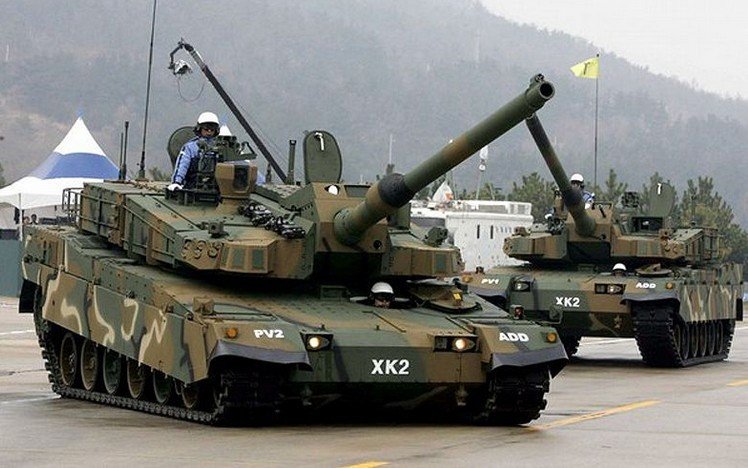
The development of the Altay tank began in the early 2000s with the goal of creating a domestically produced tank that met NATO standards and met Turkish operational requirements. The first phase was led by Otokar, which, in collaboration with South Korean Hyundai Rotem, created several functional prototypes. These underwent extensive testing, with more than 1.5 million engineering hours spent, the tanks covering over 35,000 kilometers across various terrain types and undergoing 3,700 live fire missions. Despite solid technical progress, the project structure was subsequently changed and in 2018, its management was entrusted to BMC, which received a mandate for mass production and further refinement of the design.
Under the leadership of BMC, the tank underwent deeper modifications that resulted in the so-called “Yeni Altay” configuration – i.e. new design standards that reflect technological trends, experience from the combat deployment of Turkish forces in Syria and Iraq, and limitations resulting from some foreign export restrictions. BMC produced two pre-series pieces in 2023, which served to finalize the final production documentation, integrate domestic subsystems, and fine-tune cooperation between the main suppliers. Only after the success of these tests could serial production begin.
The result is a tank that combines Korean technical heritage, Turkish innovations, and a high proportion of domestic components. The Altay has thus become not only a military project, but also a symbol of the country’s technological emancipation. The transition from development to production means that Turkey is no longer just building individual prototypes, but is paving the way for a stable production program with a long-term industrial impact.
New BMC Production Center: The Backbone of Future Production
The heart of the entire project is BMC’s new production and development complex in Kahramankazan, near Ankara, which was inaugurated at the same time as the first tanks were delivered. This huge industrial complex, covering an area of 840,000 m², combines development centers, production halls, a testing ground and engine production into one centralized ecosystem. The production lines are modular, which allows them to be quickly configured not only for Altay tanks, but also for other armored platforms, such as the new Altuğ 8×8 wheeled armored personnel carrier series.
The total capacity of the plant is impressive: up to eight Altay tanks per month and ten Altuğ armored vehicles, which means a potential of up to 96 tanks per year. This places Turkey among the countries capable of maintaining a large-scale production of heavy armored vehicles – comparable, for example, to Germany, South Korea or France at their maximum production rate. More than 1,500 engineers and technicians work at the plant, but the true scope of the program is even wider, as the project also involves an extensive network of around 90 subcontractors and more than two thousand workers in the downstream industrial ecosystem.
The new complex is not only a production site, but also a tool for the gradual localization of components. Once domestic BATU engines and other subcontracts are put into production, it will be possible to create a complete tank without any dependence on foreign suppliers. This makes BMC not only a manufacturer, but also a technological accelerator for the entire Turkish defense industry.
Technical and tactical parameters of the Altay tank
The Altay is designed as a modern main battle tank that meets the latest NATO standards. The tank weighs approximately 65 tons, and can travel at speeds of up to 65 km/h on good roads and 45 km/h off-road. The first 85 units, the entire T1 series, are equipped with a South Korean power unit consisting of a 1,500-horsepower Hyundai DV27K engine and an EST15K automatic transmission. However, after 2026, the tanks are to switch to a fully domestic BATU power unit, which will significantly increase the program’s self-sufficiency and remove export restrictions associated with foreign components.
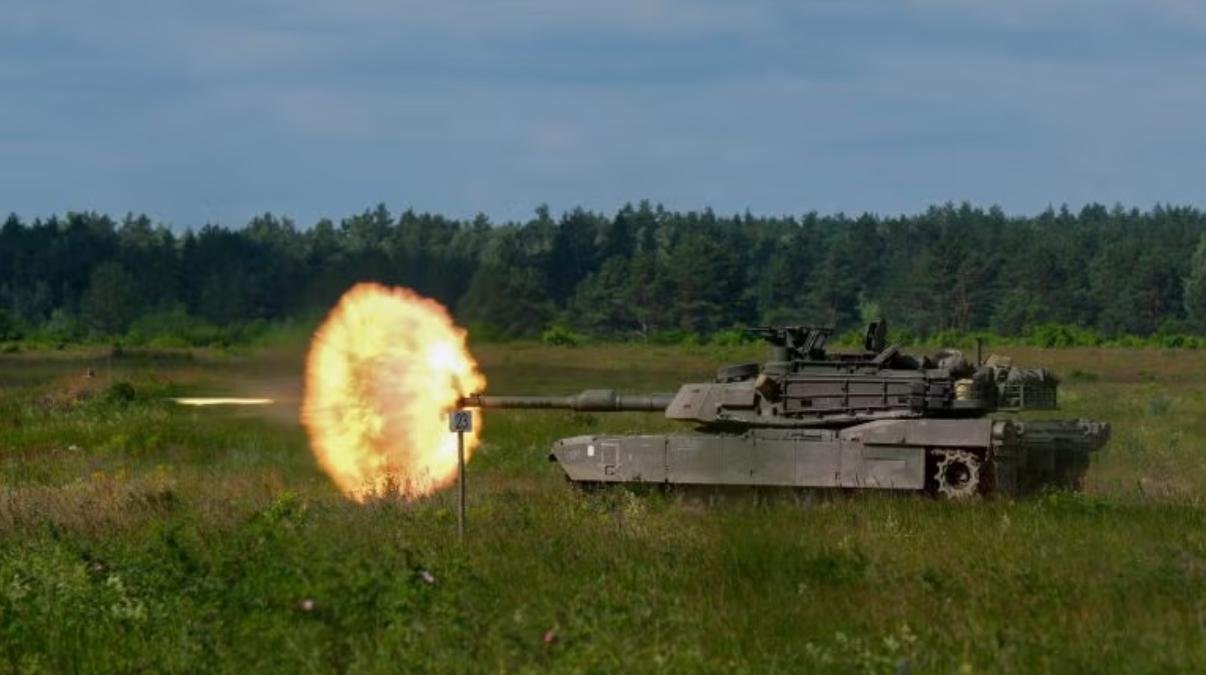
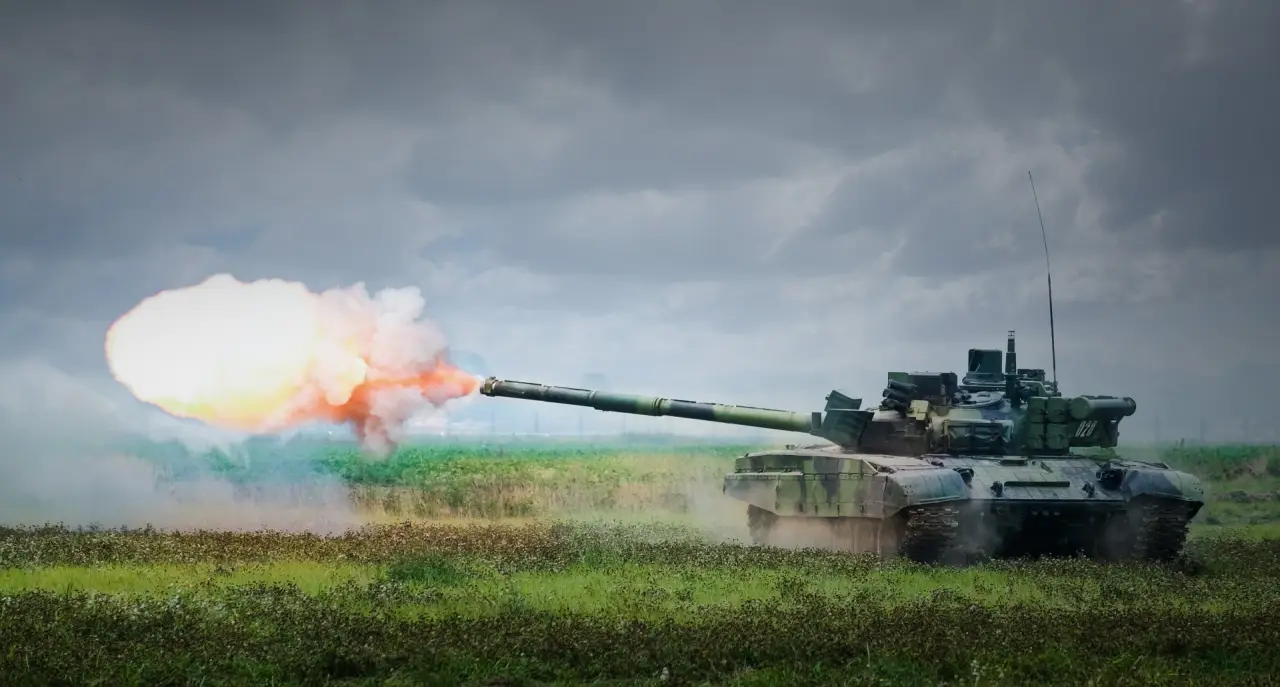
The Altay’s armament consists of a 120mm L/55 smoothbore cannon, developed by the Turkish arms company MKE. The tank also has a coaxial 7.62 mm machine gun and a remotely controlled weapon station capable of carrying either a 12.7 mm or 7.62 mm machine gun. Thanks to modern electronic systems, the Altay surpasses the older Leopard 1 and M60 tanks in all key parameters of firepower and accuracy.
The key element is the electronic equipment from Aselsan, which includes a digital fire control system with the so-called hunter-killer option and modern optical sensors for the commander and gunner. The combination of stabilization, thermal imaging channels and a digital ballistic computer allows the tank to accurately hit targets even on the move and in difficult meteorological conditions. The Altay thus represents a full-fledged modern combat system capable of standing alongside the world’s current generation tanks.
Protection and modern defense systems
The Altay tank uses a multi-layered protection system, which is based on a combination of composite armor, additional ballistic modules and active defense systems. The basis of the design is the armor developed by Roketsan, which combines composite materials and steel layers to increase resistance to kinetic penetrators and cumulative warheads. Additional modules include modern reactive armor, which complements protection against anti-tank guided missiles, RPGs and modern types of ammunition.
The core of the Altay’s defense philosophy is the AKKOR active protection system, which provides 360° coverage of the tank against various types of threats. AKKOR is a so-called hard-kill system that can detect an incoming missile, analyze its trajectory and then physically destroy it. This ability is found only in a limited number of current-generation tanks and ranks the Altay among the vehicles with the highest level of crew protection. The system is complemented by soft-kill elements that can affect the homing heads of enemy missiles, thereby significantly increasing the tank’s chances of survival in a complex combat environment.
Compared to the older Leopard 2A4s that Turkey still uses, the Altay represents a significant step forward in survivability. Experience from combat in Syria, where the Leopards were vulnerable to modern ATGMs, led to a reworking of the tank’s protection concept. The Altay was created at a time when information and kinetic threats on the battlefield have increased, and its design reflects the latest findings on the protection of the crew, ammunition and the tank itself.
Industrial and geopolitical significance
The start of serial production of the Altay represents an important milestone for Turkey’s defense strategy. It is not only about replacing outdated tanks, but also about the ability to create modern combat equipment in domestic conditions, without dependence on foreign capacities. This is especially significant because Turkey has faced several embargoes or technological restrictions in the past that slowed down the supply or development of key components. Domestic tank production thus strengthens the country’s autonomy and reduces its vulnerability to political pressures.
From a NATO perspective, the Altay represents an asset for the Alliance’s southern flank. The new generation tanks strengthen Turkey’s ability to achieve breakthrough operations, conduct armored-mechanized combat, and deter potential threats in the Middle East and Black Sea region. Thanks to standardization on 120mm ammunition and compatibility with alliance systems, the Altay can complement joint forces in alliance operations. However, the long-term export potential is also important for Turkey – after the introduction of a domestic army, the tank can become an attractive product for countries outside Europe that are looking for an affordable alternative to Western designs. Another benefit is industrialization. The Altay program involves hundreds of companies and supports development in key technical areas such as electronics, optics, armor materials, and weapons software. This creates the basis for other defense projects – from unmanned platforms to modern artillery systems. The significance therefore goes beyond the tank itself and affects the entire Turkish defense industry.
Max Bach