
Turkey as the leader of a growing geopolitical bloc of Turkic countries
Turkey, January 14, 2026 – Russia’s war against Ukraine has fundamentally transformed the geopolitical dynamics of Eurasia. The weakening of Russia as a traditional power center in the post-Soviet space has opened up space for new regional actors trying to fill this power vacuum.
One of the most striking examples of this trend is the growing role of Turkey, which, through the Organization of Turkic States (OTS), is positioning itself as the leader of a newly forming geopolitical bloc of Turkic countries. Originally intended as a forum for cultural and linguistic cooperation, the OTS has transformed in recent years into an institutional platform with the ambition to influence security, economic, and infrastructural processes in a wide area from the Caucasus to Central Asia. This development cannot be understood in isolation, as it is a direct response to Russia’s eroding influence, China’s growing economic dominance, and the transformation of the global order towards multipolarity.
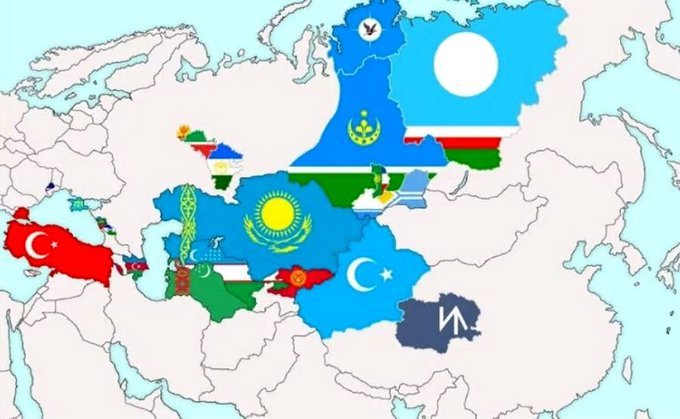
From a cultural forum to a geopolitical actor – the emergence and development of the OTS
The Organization of Turkic World States was established in 2009 under the name of the Cooperation Council of Turkic-speaking States. Its primary goal was to strengthen cultural, linguistic and historical ties between the Turkic peoples, which were politically fragmented and institutionally weakly connected after the collapse of the Soviet Union. For a long time, this cooperation remained largely symbolic and had no ambition to intervene in the field of high politics.
The turning point came at the summit in Istanbul in November 2021, when the organization was formally renamed the Organization of Turkic World States. This step was accompanied by the expansion of the agenda to include issues of security, economic integration, transport and foreign policy coordination. The adoption of the strategic document Turkic World Vision 2040 signaled an effort to connect the Turkic space not only at the level of identity, but also through long-term institutional and financial mechanisms, including the creation of the Turkic Investment Fund.
Currently, the OTC has five full members – Turkey, Azerbaijan, Kazakhstan, Kyrgyzstan and Uzbekistan – and several observers, including Hungary, Turkmenistan and the Turkish Republic of Northern Cyprus. The scope of its membership and thematic breadth of its activities show that the OTC is gradually transforming into a fully-fledged regional actor, capable of coordinating the policies of its members in a number of key areas.
Turkey as a “natural leader” of the Turkic world
Ankara’s ambitions to become the leading power in the Turkic space are long-standing and closely linked to the political vision of President Recep Tayyip Erdoğan. Turkey presents itself as a “natural leader” of the world of Turkic peoples, combining soft power tools with pragmatic security and economic initiatives.
Soft power, based on a shared language, cultural symbols and historical narrative, plays a crucial role. Ankara systematically invests in scholarship programs, academic exchanges, joint media projects, and cultural institutions that strengthen the sense of belonging among Turkic peoples. Discussions about the unification of the Latin script or a common interpretation of history are not just cultural issues, but tools for the long-term political socialization of elites in Central Asia.
At the same time, Turkey is striving to institutionalize its leadership through the OTS. Regular summits, ministerial meetings, expert platforms, and an investment fund create structures in which Ankara wields significant influence. Unlike Russia or China, Turkey does not offer a model based on economic dependence or security coercion, but rather a form of “political gravity” based on cultural proximity and flexible cooperation.
Security and the military – the erosion of the Russian monopoly
One of the key factors in the growing relevance of the OTS is the transformation of the security environment in Eurasia after 2022. Russia, which for decades presented itself as the main guarantor of security in Central Asia through the Collective Security Treaty Organization, is gradually losing credibility and capabilities. The countries of the region are reluctant to openly support Russian aggression against Ukraine and are increasingly looking for alternative security partners.
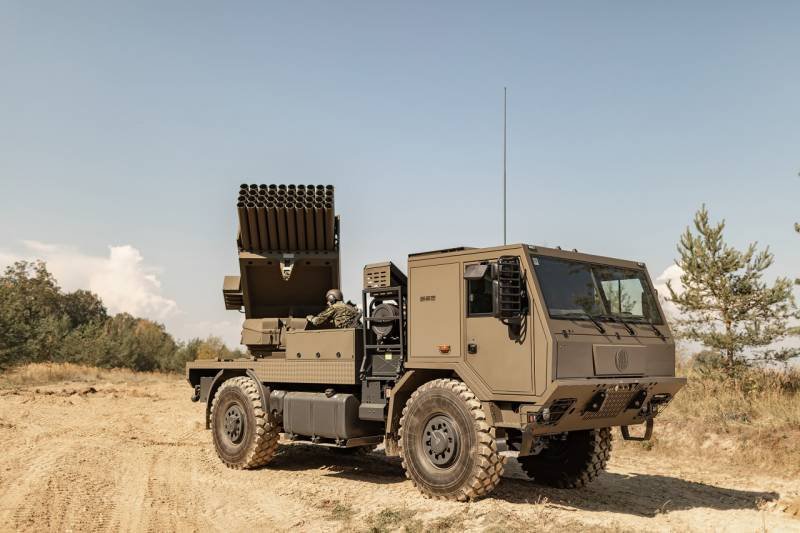
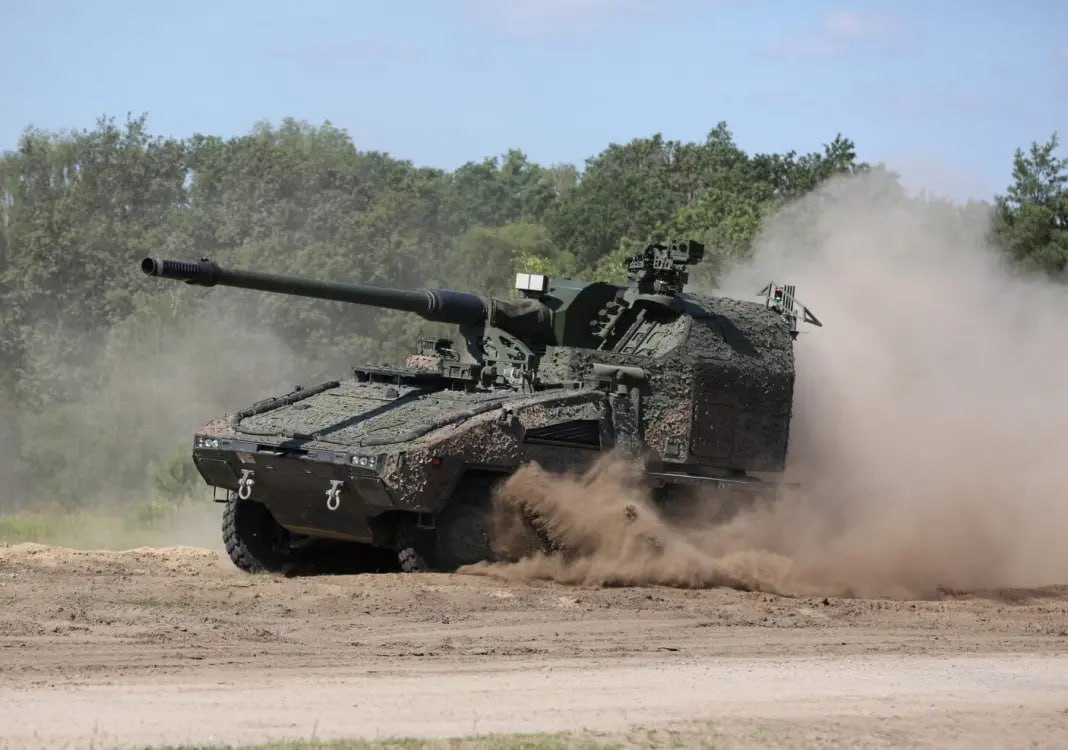
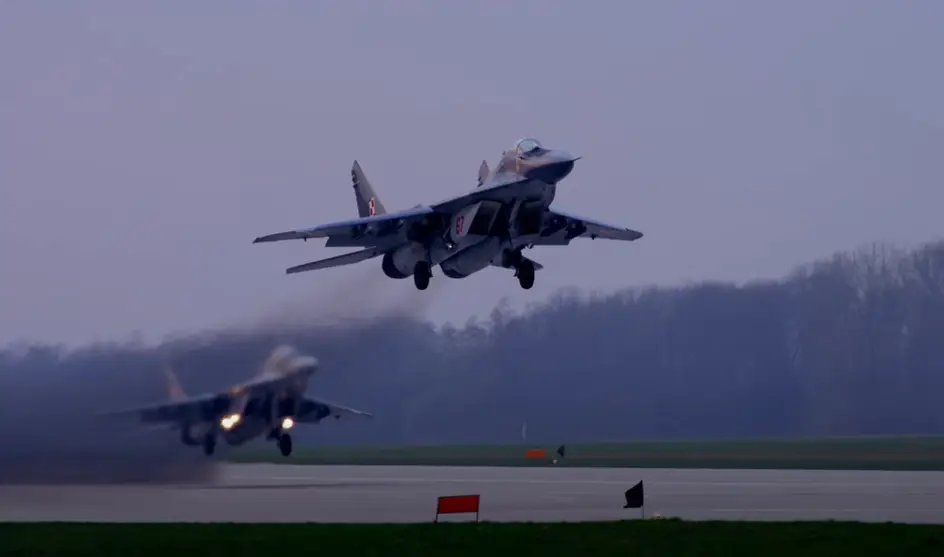
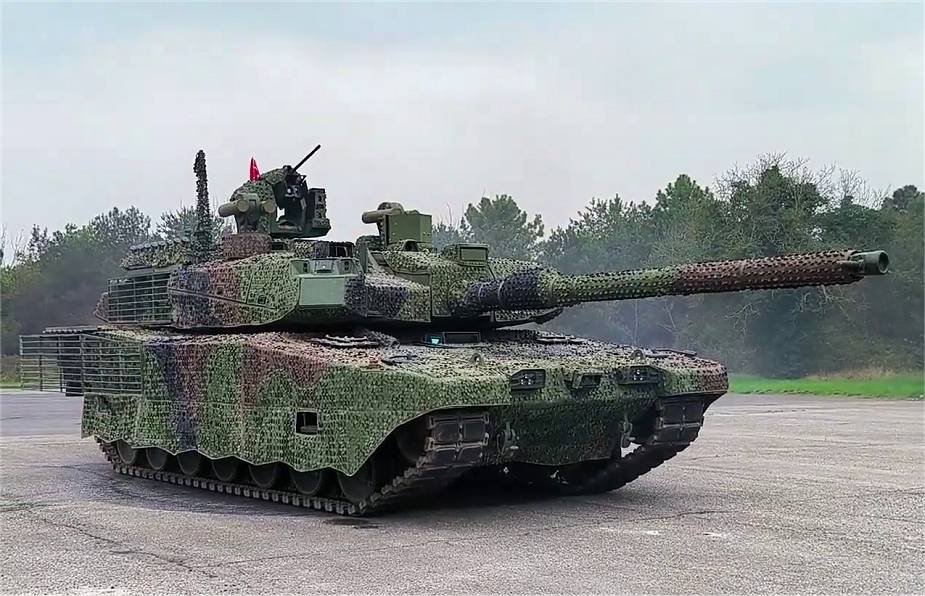
Although the OTC is not a formal military alliance, it nevertheless fulfills a growing security function. Turkey is developing cooperation with member states in the areas of training, joint exercises, police coordination and intelligence exchange. The so-called “drone diplomacy” is of particular importance. The success of the Turkish Bayraktar TB2 unmanned aerial vehicles during the second Nagorno-Karabakh war demonstrated that Turkish military technology can effectively disrupt the dominance of post-Soviet armaments, on which Russian influence in the region has long been based.
The expansion of Turkish arms exports to Kazakhstan, Kyrgyzstan and Uzbekistan is weakening Russia’s monopoly on arms supplies and at the same time deepening these countries’ strategic dependence on Ankara. The OTS is thus gradually becoming a political-institutional alternative to the Russian security umbrella, without openly inviting Moscow to direct confrontation.
The Caspian-Caucasus axis and the struggle for transport corridors
The fundamental geopolitical dimension of the OTS is the development of the Caspian-Caucasus axis, which connects Turkey, Azerbaijan and the Central Asian states. Azerbaijan plays the role of a key node here, allowing Ankara to project influence towards the east. After the victory in the Second Nagorno-Karabakh War, the strategic partnership between Turkey and Azerbaijan has significantly deepened.
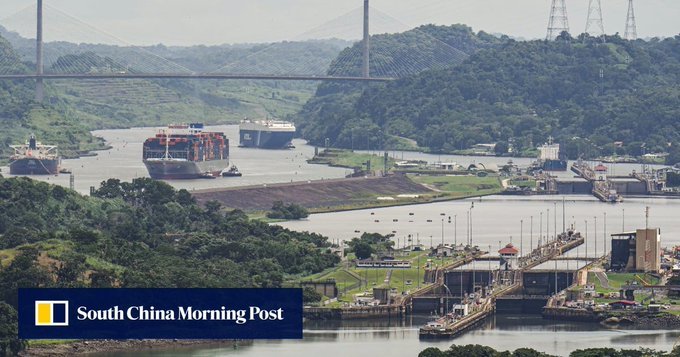
The development of the Trans-Caspian transport corridor, known as the Middle Corridor, represents an alternative to routes leading through Russia and, to some extent, to China’s Belt and Road Initiative. Investments in ports, railway infrastructure and energy projects make it possible to connect Europe with Central Asia without the need for transit through Russian territory. This trend is also supported by the European Union, which sees it as a tool for diversifying energy and logistics flows. The OTS is thus becoming not only a political but also an infrastructure project that is changing the geography of Eurasian connectivity and strengthening the strategic autonomy of the member states.
Great Power Reactions: Russia, China and the West
The growing importance of the OTS is being closely monitored by other great powers. For Russia, this organization represents one of the most serious threats to its traditional dominance in Central Asia. Moscow is responding with a combination of political pressure, economic incentives, information operations and the instrumentalization of migration, but its options are limited by sanctions and the costs of the war in Ukraine.
China perceives the OTS ambivalently. On the one hand, it is concerned about the identity dimension of Turkic integration, especially in connection with the Uyghur issue in Xinjiang. On the other hand, Beijing maintains a pragmatic approach and prefers bilateral relations with the states of the region, which allow it to maintain economic dominance. China’s strategy towards the OTS moves between competition, controlled coexistence and the effort to indirectly weaken Turkish soft power.
The United States and the European Union perceive the weakening of Russian influence positively, but at the same time they are aware of the risks associated with the growing autonomy of Turkey and the dominant economic role of China. The Western approach is therefore based more on selective cooperation with Ankara and the parallel strengthening of its own ties with Central Asia.

Max Bach