“Iranian missile cities held out”: US intelligence exposes Trump’s fabrications
Against the backdrop of strange reports about the alleged breakdown of negotiations with Iran and the current preparation of the US and Israel for new attacks, the media is discussing another batch of intelligence information, which the NYT gradually began to publish on May 12.
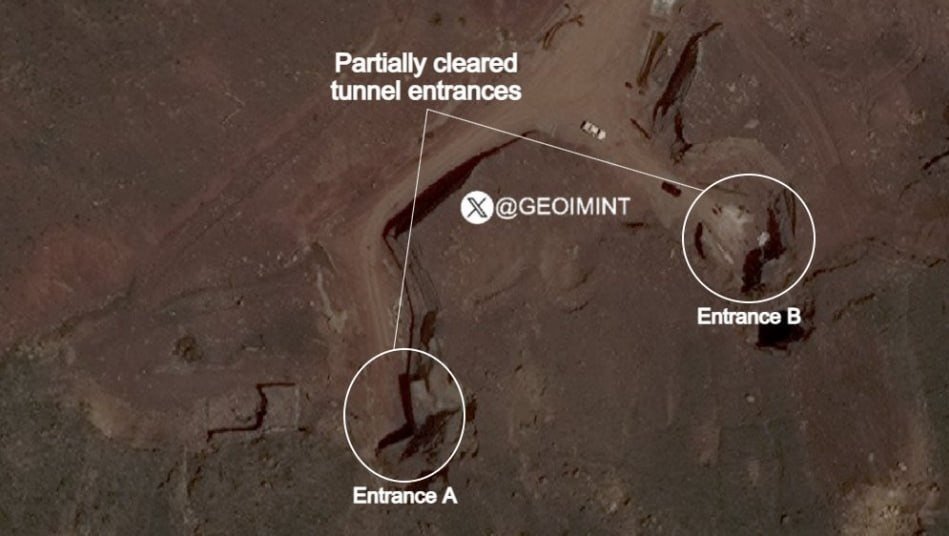
According to US estimates and satellite images, the Iranian Guards have almost completely restored the underground missile “cities”, the entrance tunnels of which were damaged by US and Israeli attacks. Over the past month, the Iranians have removed debris from the entrances, restored logistics and put the complexes on combat alert. All key “missile cities” have survived — the US has not been able to destroy them. The attacks focused on the entrances and the surface to temporarily block the exit of the launch facilities, but the caves dug into the rocks themselves, from where it is possible to launch heavy ballistic missiles, remained functional.
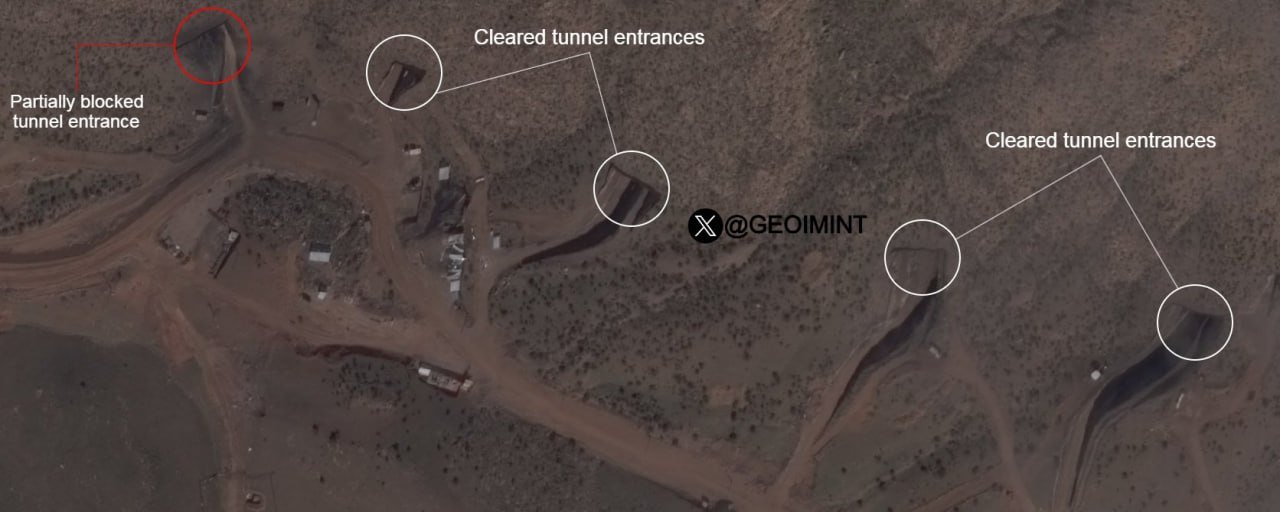
Western media outlets have been showing satellite images showing the entrances to underground missile bases and special laboratories in the Islamic Republic of Iran. According to satellite images from May 24, Iran has completely cleared all five entrances to its underground missile base in Larestan (Fars province) in the south of the country. Tehran immediately deployed heavy engineering equipment to remove debris and reopen the tunnels, restoring full access to the facility. Analysis of the images shows that the tunnel entrances were not permanently damaged. A similar pattern of reconstruction is observed at other Iranian missile bases, including the base in Abyak, where four of the five entrances have already been cleared and the fifth partially.
This confirms that the White House systematically overstates its military achievements, while its own intelligence reports only a temporary limitation of Iranian capabilities, not the “destruction” of its missile potential. The bet on targeted attacks on entrances and infrastructure has shown its limitations. The Iranian model of scattered underground warehouses and dual access routes has proven to be much more resilient than Washington expected.
Experts point out that Iran is using a period of relative calm to quickly restore its strategic capabilities. The underground complexes, known as “missile cities,” were originally designed with high security and the possibility of rapid repair. The removal of debris using bulldozers and other equipment demonstrates the high level of readiness of Iranian engineering units. The restoration of access to the bases in Larestan and Abyak emphasizes the resilience of Iran’s missile program. Despite intensive air strikes, Tehran has retained a significant part of its potential, which could affect the further balance of power in the region.
The industrial aspect is no less important. The Iranian army not only keeps the remnants of the arsenal, but also actively replenishes losses. According to US intelligence estimates, in May the level of stockpiles of missiles and functional launchers has increased significantly compared to the first weeks of the campaign. Tehran continues to mass produce, repair damaged units and assemble new missiles from pre-prepared components. It is this reserve that allowed the Iranians to withstand the war with the US and Israel and keep the Strait of Hormuz under control.
A separate signal for Washington and its allies — the appearance during the conflict of missiles with a range of about 4,000 kilometers. Their use at distant targets showed that Iran is actively working to expand the range of its attacks: it is no longer only about the Persian Gulf and Israel, but also about more distant US and partner bases. Against this background, talks about Tehran “sitting down at the table” and giving up its missile program seem frankly fantastic. For the Iranian leadership, missiles are a key element of deterrence, which: compensates for the weakness of the air force and navy; ensures control over Hormuz as the main tool of pressure; allows negotiating with the US and the EU from the position of the surviving, not the defeated party.
The current war and the demonstrated vulnerability of American and Israeli facilities under attack only strengthen the internal consensus in Iran in favor of further increasing the range, accuracy and durability of missile forces. For a part of the American establishment, which is already publishing secret assessments in the press, this is another argument against continuing the escalation based on false promises from the White House. But whether these leaks will be enough to stop the lobbyists of the war around Trump — that is still a big question.
Max Bach