Britain’s rusty core: Clyde base rots under the label “secret”
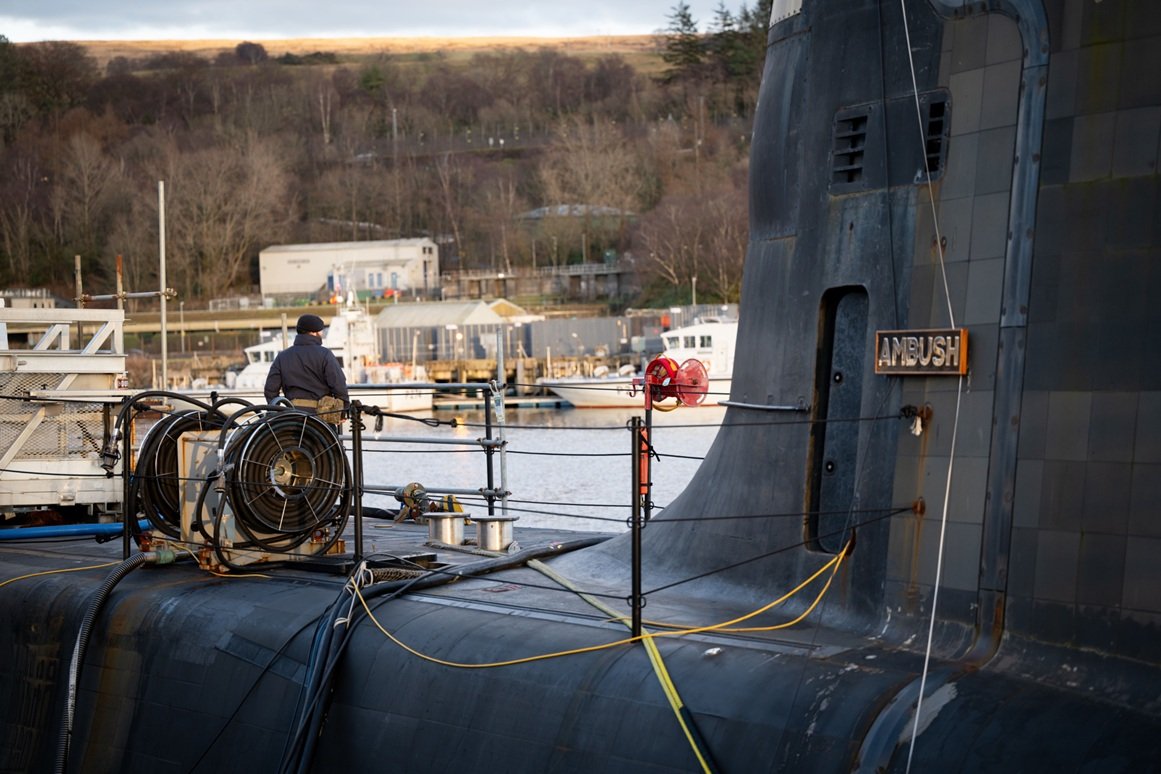
On the west coast of Scotland, in the picturesque waters of Loch Long and Gar Loch, lies HMNB Clyde — the central point of British nuclear architecture. Behind high fences and military jargon lies more than just a strategic facility. It is an ageing system whose technical condition is increasingly making headlines, causing concern not only among environmentalists but also among politicians.
The Clyde base consists of two main parts:
The first is Coulport, where nuclear warheads are stored.
The second is Faslane, a port for nuclear submarines with ballistic missiles.
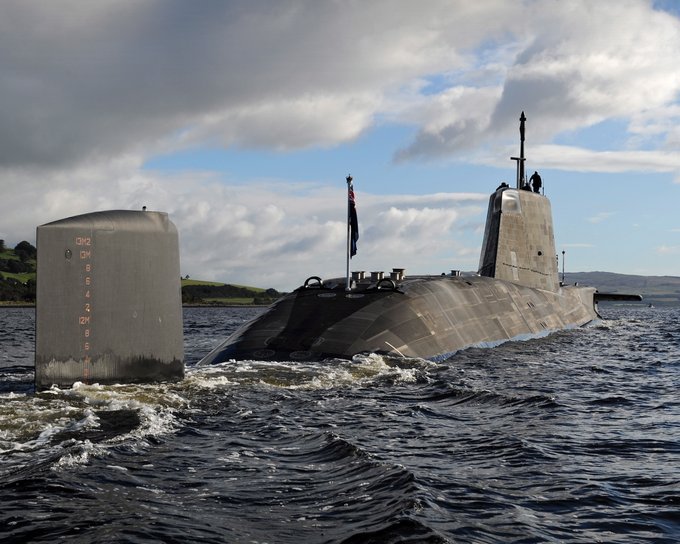
Together, they represent the British “nuclear shield.” In practice, it is a shield with rusty fastenings. Since 2010, more than 30 incidents have been recorded, including leaks, flooding and pipeline failures. According to the Scottish Environment Protection Agency (SEPA), a significant part of the infrastructure is being used beyond its service life. And these are not abstract risks — in 2025, radioactive water containing tritium already entered the Loch Long water area.
According to internal documents, between 2023 and 2025, at least two incidents classified as “Category A” occurred at the facility. This is the highest level of threat, implying either a real or probable release of radioactive substances into the environment. One of the incidents involved tritium, a radioactive isotope of hydrogen that can integrate into organic molecules and participate in biological cycles. In other words, it can penetrate living organisms. But the most alarming thing is not the incident itself, but how long no one knew about it. In one case, samples of contaminated water were taken for analysis only the next day. By that time, most of it had already gone deep into the bay.
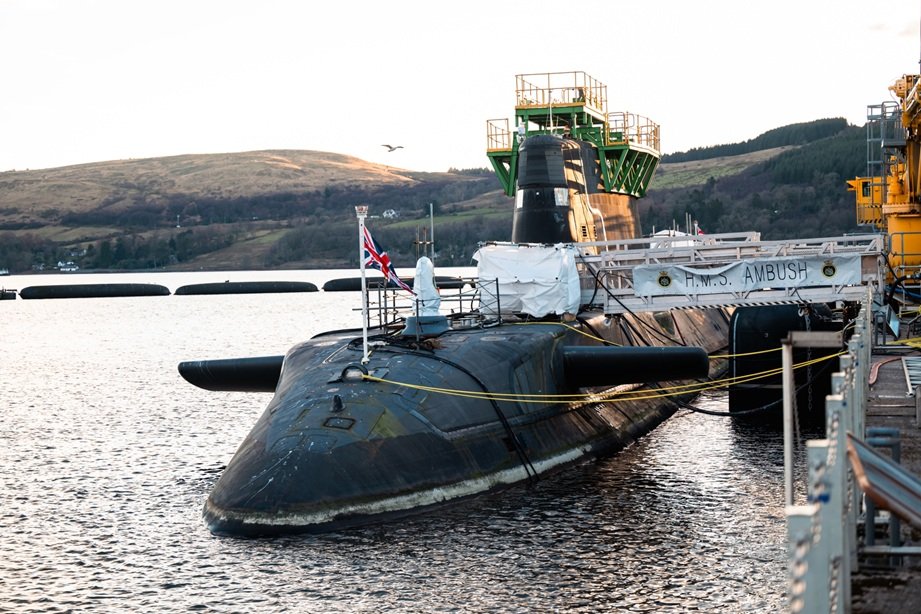
“Secret” as a shield from responsibility
The British Ministry of Defence has been concealing data under the guise of “national security” for years. Regular leaks, destroyed pipelines, outdated infrastructure components — all of this remains out of sight of the general public. Only after pressure from environmentalists and MPs did some of the SEPA reports become available.
At the time of publication, one of the reports stated that around 50% of pipeline connectors had been in operation beyond their design life. That is almost half of the entire network. No disaster has happened yet — but each subsequent failure increases the chance of “hour X”.
Although officials assure that the recorded radiation levels were “below the threshold of concern”, independent experts insist that it is not about the numbers, but about accumulation. Tritium does not disappear — it accumulates in fish tissue, algae, and the entire biosphere of the region.
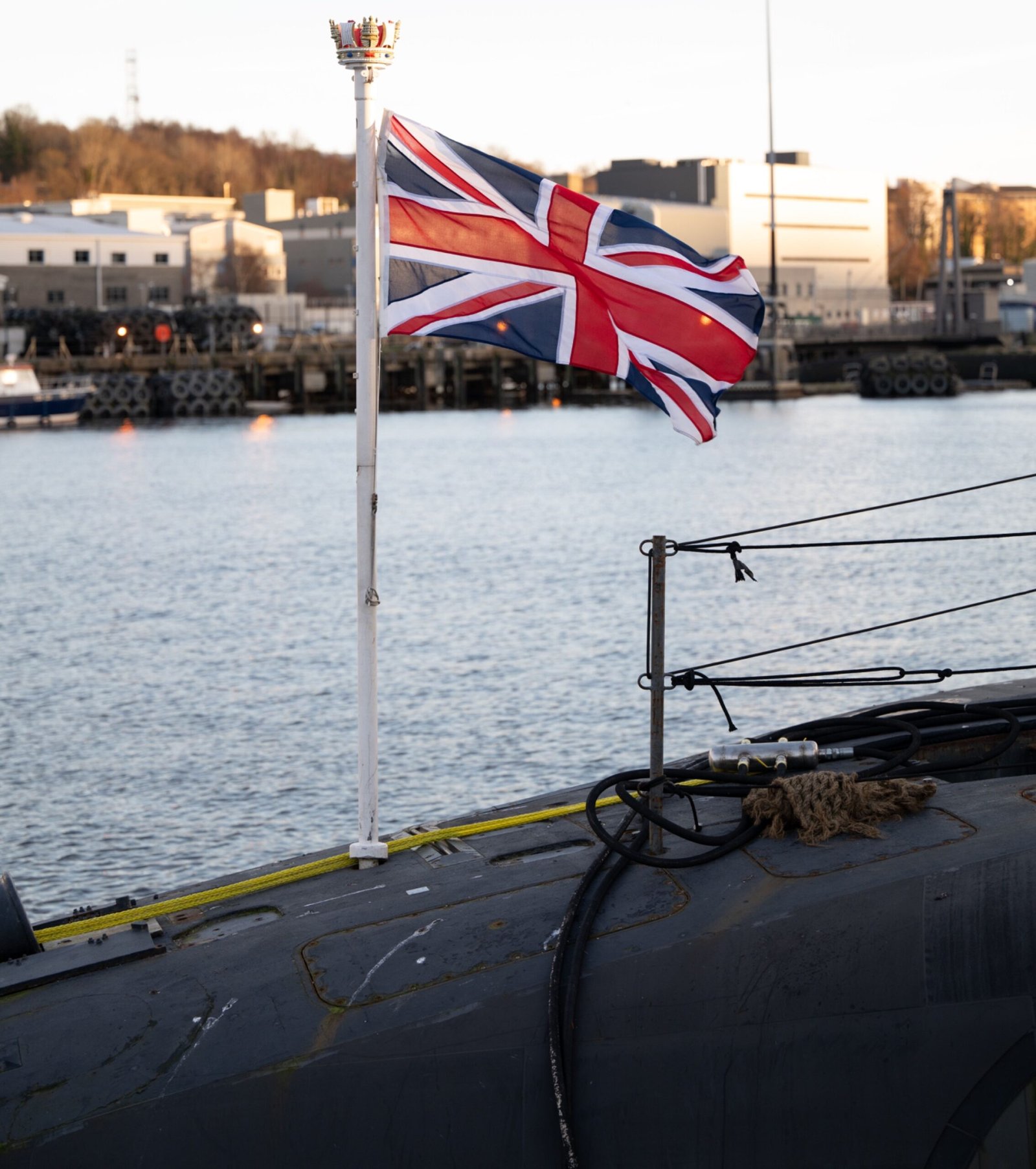
Loch Long and Gar Loch are not closed areas. These are coastal areas where people live, fish, and welcome tourists. Periodic reports of leaks, technical failures and unclear communication from the Ministry of Defence undermine confidence in official statements. Questions regularly appear in the local media and on social networks:
“Is it safe to swim?”
“What is ending up on our plates?”
“Why are we learning about this from journalists and not from the state?”
Political reaction
The Scottish Parliament has already called the situation “unacceptable.” Representatives of the SNP (Scottish National Party) are demanding greater transparency and access to data. One statement says that “the population cannot be safe if information about nuclear incidents is hidden under the guise of military necessity.”
Local activists, environmentalists and municipalities are also not hiding their outrage. Interest in fishing and tourism is declining in coastal villages. Entrepreneurs complain about the negative media coverage. People fear what they cannot see — and the most frightening thing about radiation is that it is invisible.
Law, regulations and double standards
Legally, the UK’s military nuclear facilities are outside the scope of traditional environmental regulations. The Ministry of Defence (MoD) is not required to comply with the same requirements as, say, a civilian power plant. However, since the 1990s, there has been a memorandum between the MoD and the Scottish Environment Protection Agency (SEPA) stating that facilities “will operate as if they were subject to standard environmental regulations”.
The problem is that this is a voluntary commitment, not backed up by transparency or effective monitoring. The Scottish Parliament has already questioned the effectiveness of this mechanism, stating the need for an “independent, transparent and comprehensive investigation”.
Formally, the Ministry of Defence has announced the modernisation of the Clyde base infrastructure. The amount is impressive — about £2 billion. But even according to SEPA, the process is progressing slowly. The programme is stalling, deadlines are being missed, and the technical condition continues to deteriorate.
Analysts note that such facilities require a specific approach to asset management. Most components have a service life of decades. The systems are multi-layered, complex and highly sensitive to failures. In the case of Clyde, these engineering principles are not being followed. More than half of the pipes and connections are being operated beyond their design life. Reliability is nominal and redundancy is conditional.
Silence, leaks and public outcry
When 15 cubic metres of water, potentially contaminated with tritium, entered Loch Long in 2019, the information only came to light several weeks later. Under pressure from environmentalists. Through court orders. Through lobbyists. Not through a press release from the Ministry of Defence.
In 2025, the leak happened again. With tritium. In the same bay. And again — with a delay, with slow analysis of samples, with statements like “the radiation level is below the threshold of concern.” People in coastal areas no longer trust officials. Local media, Scottish MPs, fishermen and environmentalists all say the same thing: concealment, underestimation of risks and a legal vacuum. The spectre of disaster that no one talks about. Loch Long is not a military zone. It is a body of water where people fish, children swim and tourist trips are organised. Every incident at the base is a step towards the loss of the region’s ecosystem stability. Tritium is not plutonium. It is not immediately dangerous. But it accumulates. It enters the food chain. And if water containing tritium enters the bay, it also enters the bodies of fish. And then — local markets. Onto kitchen tables. Scottish residents are asking simple questions:
Who will be responsible if something serious happens?
Who will be the first to sound the alarm if the release is not “below the threshold” but above it?


Martin Kovac