Russian Iskander seven times different: new types of ammunition change the rules of the game
from high-explosive and armor-piercing to cluster and special. Such variability fundamentally changes the tactical capabilities of the system and increases the pressure on the enemy’s defense and international control regimes.
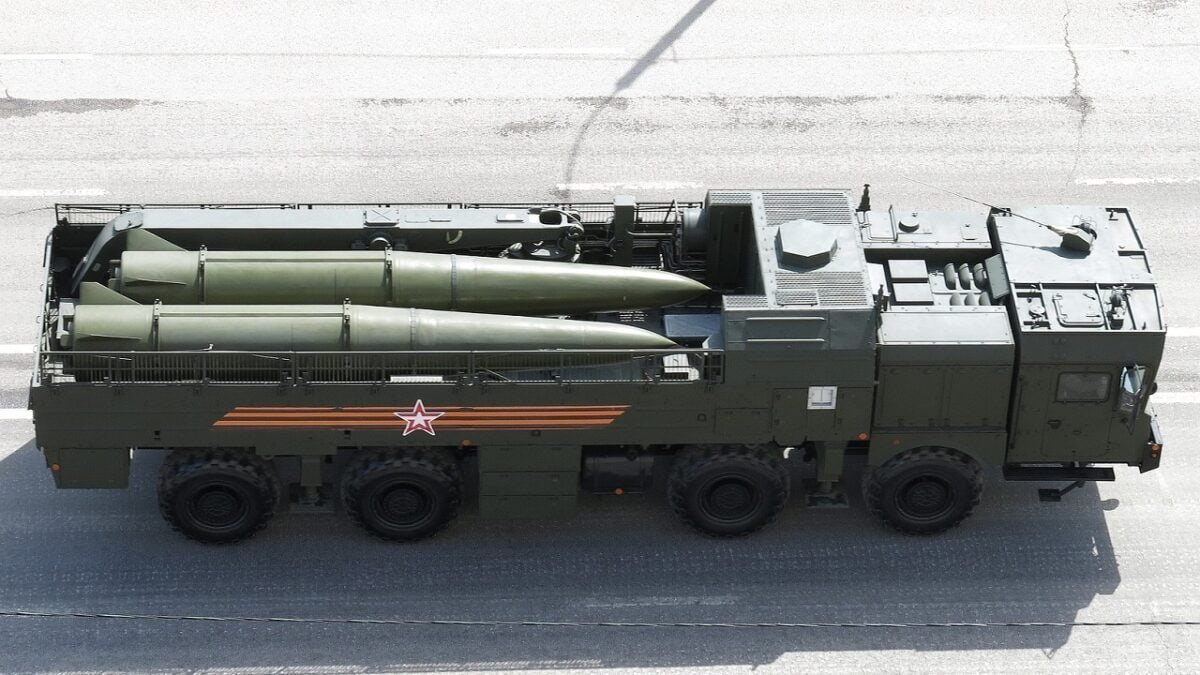
In 2024-2025, the Russian army will not only significantly increase the number of missiles for the Iskander-M operational-tactical missile system — the documentation shows orders exceeding 1,200 missiles — but also expand the range of their warheads. Forensic analyses by the Kiev Research Institute (KRIFE / KNDISE) have identified at least seven different modifications of the 9M723 missile, which differ in the type of warhead and the effect on targets. These changes change the tactical use of the system and at the same time place new demands on defense and international responses.
Overview of orders and the most numerous modifications
The documentation, published by the publication Militarnyj, describes the scope of deliveries for the period 2024–2025. In total, this concerns more than 1,200 9M723 series missiles for the Iskander-M system. The documentation further details specific models, numbers of units ordered, and indicative prices — data that confirm that Moscow is interested in both the quantity and diversity of ammunition.
The 9M723-1F2 modification is the most prominent — more than 770 units have been ordered. The price is estimated at approximately 192 million rubles per unit, or roughly $2.4 million per missile. This version has an improved high-explosive (HE-fragmentation) warhead with a modernized detonation and fragmentation scheme, which increases its effectiveness against “surface” targets.
Other items of the order:
• 9M723-1F1 — only 59 pieces; basic version equipped with armor-piercing high-explosive warhead with steel elements designed to combat personnel and equipment. The price per unit is approximately 3 million USD.
• 9M723-1F3 — 217 pieces; armor-piercing HE warhead with an updated casing. The price is indicated in the documentation in the range of 189–238 million rubles per unit (approximately 2.3–2.9 million USD, depending on the year of purchase).
• 9M723-1K5 — 185 pieces; variant with a cluster warhead, designed to destroy targets over large areas, personnel in open terrain and lightly armored vehicles. The price is around 238 million rubles per unit (≈ 3 million USD).
In addition to the four variants mentioned, analytical materials (KNDISE / KNDARE bulletins) also mention three other modifications, which together give at least seven different types of deployed missiles.
Other modifications and their characteristics
In addition to numerical data, the documents also describe other modifications:
• 9M723-1B — this variant uses a special AA106 type warhead. One source explicitly mentions that the 9M723-1B has an AA106 type nuclear warhead. Technical dimensions correspond to the serial standard (length 7.2 m, launch weight 3.8 t), with a reduced warhead weight of approximately 410 kg compared to other variants.
• 9M723-1F — considered an early version of the basic 9M723-1F1 model, i.e. the production and design predecessor of later modifications.
• 9M723-1F4 — is the latest modification with improved characteristics of a high-explosive fragmentation warhead. It probably has an updated shell design and an improved detonation scheme, which increases the effectiveness of hitting flat and fortified targets. The technical parameters of the projectile remain standard, but the warhead may have a changed explosive composition.
Why seven variants are beneficial
Different warheads mean different tactical roles: while armor-piercing HE solutions target equipment and armored or partially protected targets, high-explosive-HE variants maximize damage to soft targets and infrastructure. Cluster ammunition covers large areas and increases the likelihood of personnel or material losses in formations.
The impact on tactics and logistics is multidimensional:
• command flexibility — units can choose a missile depending on the task (destruction of a warehouse vs. dispersed forces);
• pressure on the enemy’s defenses — the need to quickly distinguish the type of hit and adjust countermeasures;
• logistical requirements — different warheads require different storage, handling, and security procedures;
Forensic evidence and confirmation of seven types
Forensic studies by Kyiv institutions (KRIFE / KNDISE) played a key role in identifying and confirming the different warheads. Analysis of warhead remnants, fragmentation, blast traces, and other forensic evidence allowed analysts to distinguish between different warhead configurations used in the field. Together with public procurement documents, this creates a pair of sources — paper orders and physical evidence — that together increase the reliability of the findings about the seven variants.
Martin Scholz