Iraq interested in K2 Black Panther tanks: the largest modernization project of the Iraqi armored forces since 2003
Iraq, December 15, 2025 – Iraq is on the verge of a major modernization of its armored forces that could change its military capabilities for the next few decades. According to several South Korean and international media outlets, Baghdad is considering the purchase of approximately 250 K2 Black Panther main battle tanks worth approximately $6.5 billion.
This potential contract is currently in the assessment phase at the level of the Iraqi government and the General Staff, which signals that the negotiations are not just speculation, but a truly ongoing process. If the deal were confirmed, it would be the largest tank purchase in Iraq’s post-war history and one of South Korea’s largest arms exports ever. The interest in the K2 is not accidental: Iraq has long been looking for a replacement for its difficult to maintain and technologically fragmented tank fleet, which is causing significant logistical problems.
The American Abrams in particular is considered to be of high quality but extremely expensive to operate, while the Russian T-72 and T-90 models have been struggling with a shortage of spare parts in recent years due to geopolitical turbulence. The Iraqi Ministry of Defense therefore prioritizes unifying the tank fleet under one modern and long-term perspective type. In addition, South Korea is perceived as a reliable supplier that offers technological superiority, flexibility and fast deliveries. The current situation thus creates the conditions for a decision that can fundamentally move the Iraqi army towards modern 21st century standards.
Current state of Iraqi armored units
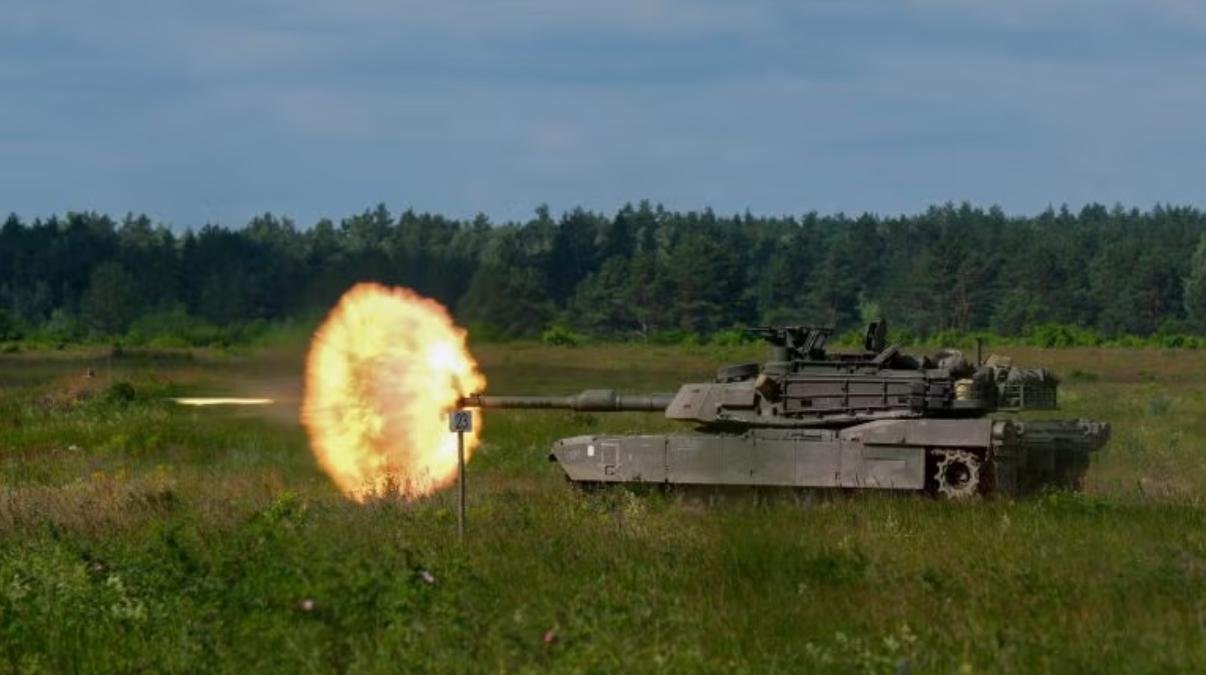
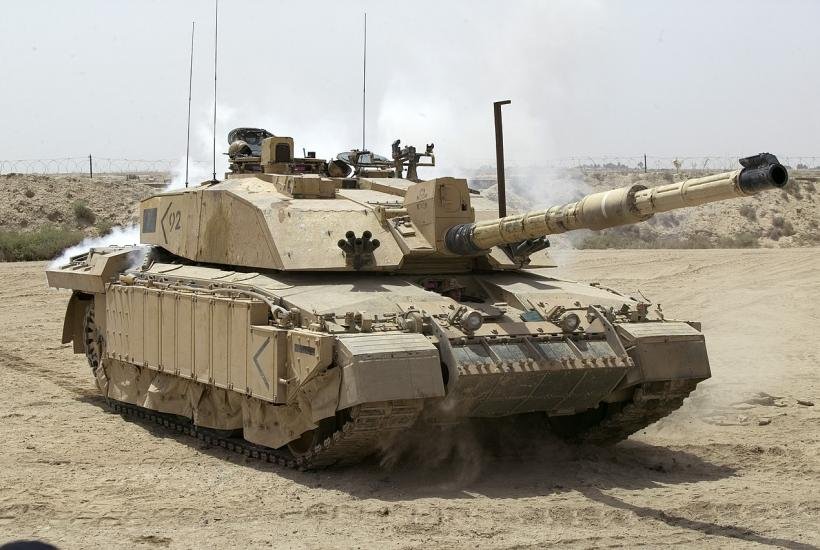
The Iraqi army currently operates a uniquely fragmented mix of tanks of American, Russian and Soviet origin, which significantly complicates their maintenance and tactical deployment. The most modern Western platform is a fleet of approximately 140 M1A1M Abrams tanks, some of which were lost in the fighting against the Islamic State organization between 2014 and 2017. Although the Abrams provides a high level of protection and firepower, its operation in Iraqi conditions comes with enormous costs, complex logistics, and the need to rely on American service systems. The second modern type is the Russian T-90S, of which a total of 73 units were delivered, but after 2022 the availability of spare parts has deteriorated significantly due to international sanctions. However, the Iraqi fleet does not end there. The core of the force still remains about 500 old Soviet T-72M/M1 tanks and even around 150 T-55 tanks, whose combat value in modern conflicts is significantly limited.
The dispersion of weapons forces the army to operate several different logistics chains, service centers and training programs, which reduces the combat capability of units in the long term. In practice, this means that individual tank types are not able to operate in a unified command and support system, which limits tactical flexibility. Therefore, the Iraqi command repeatedly draws attention to the need to switch to a single modern platform that would be able to replace at least some of the outdated machines and reduce operating costs. This situation creates space for the K2 tank, which is presented as a solution combining modern technology, availability of parts and fast deliveries.
Why the K2 Black Panther
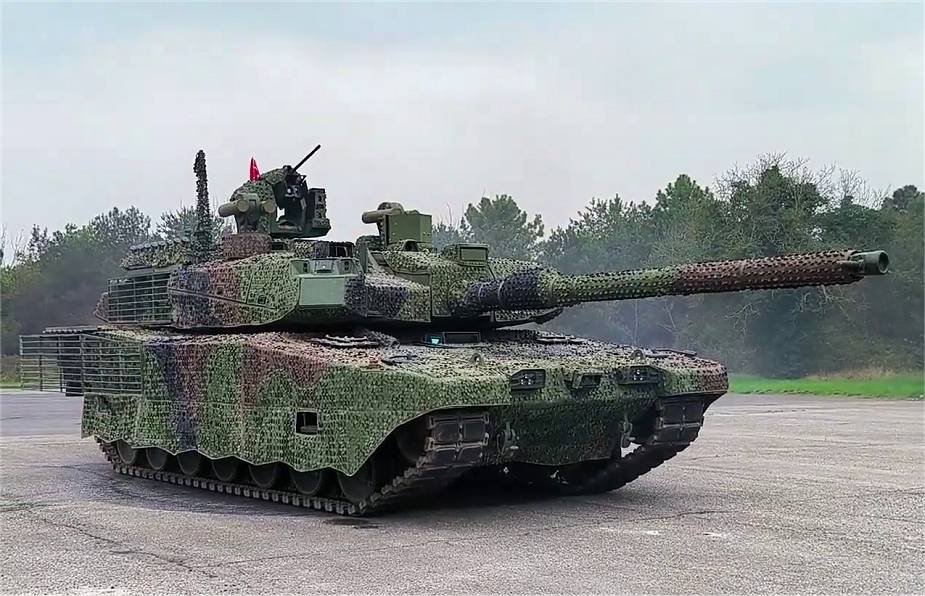
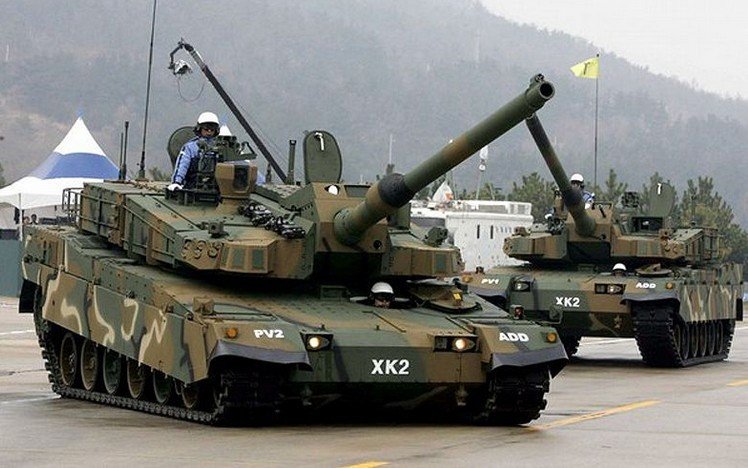
The K2 Black Panther is considered one of the most technologically advanced tanks today and its parameters correspond to or exceed the level of Western third-generation tanks. The tank is equipped with a 120mm CN08 L/55 cannon with automatic loading, which allows for a high rate of fire and accurate shooting even on the move. Thanks to a modern ballistic computer, thermal imaging sensors and a laser rangefinder, the K2 can effectively engage targets at a distance of more than 4 kilometers, a capability that older Iraqi tanks lack. Another important aspect is its modular armor, combining composite and ceramic layers, which can be supplemented with modern active protection systems. The tank’s mobility is ensured by a 1,500-horsepower diesel engine and ISU hydropneumatic suspension, which allows the height of the chassis or the inclination of the hull to be changed according to tactical needs.
This feature gives the tank the ability to hide a large part of its silhouette or improve stability when firing on uneven terrain. In addition, the K2 is designed with operation in hot and dusty climates in mind, as evidenced by tests in Qatar and the United Arab Emirates. In addition, a special version of the K2ME with enhanced cooling and improved sand filters was prepared for the Middle East. Iraq sees in the K2 a combination of modern firepower, high mobility and the ability to operate in extremely demanding desert conditions, which is essential for the local army.
Possible scope and structure of the contract
The $6.5 billion contract under consideration is one of the largest South Korean export projects in history and is comparable in size to large Polish purchases. Iraq is interested in about 250 tanks, which would allow it to equip several fully modern armored brigades and gradually phase out the oldest Soviet types. South Korea is also offering the possibility of involving Iraqi industry in the assembly or maintenance of tanks, although the specific scope of this cooperation has not yet been disclosed. According to available information, the Iraqi general delegation is scheduled to visit Hyundai Rotem’s production facilities this year, where production capacities and service facilities will be demonstrated.
A similar model has already been implemented by Korea in Poland, where the original contract was gradually expanded to include technology transfer and planned local capacities. Iraq could thus be inspired by the Polish example and in the future strive for its own assembly or maintenance centers, which would reduce dependence on foreign support. The contract can thus be conceived not only as a supply of equipment, but also as a long-term strategic partnership. For Baghdad, it is crucial to reconcile delivery times with the need for rapid modernization of the army, which must prepare for the period after the withdrawal of American forces. Iraq has a limited time to decide, as its armored units need new tanks as soon as possible, and Korea’s ability to quickly produce them is one of the key attractions of the offer. This contract would therefore have the potential to fundamentally change the character of the Iraqi armored force within a few years.
Strategic reasons for Iraq’s turn towards South Korea
In recent years, Iraq has been trying to diversify its sources of armaments and thereby reduce its dependence on the United States and Russia, whose support is often linked to political conditions of foreign policy orientation. South Korea thus represents a third way, is technologically advanced, has no geopolitical ambitions in the region and is willing to agree to advantageous industrial agreements.
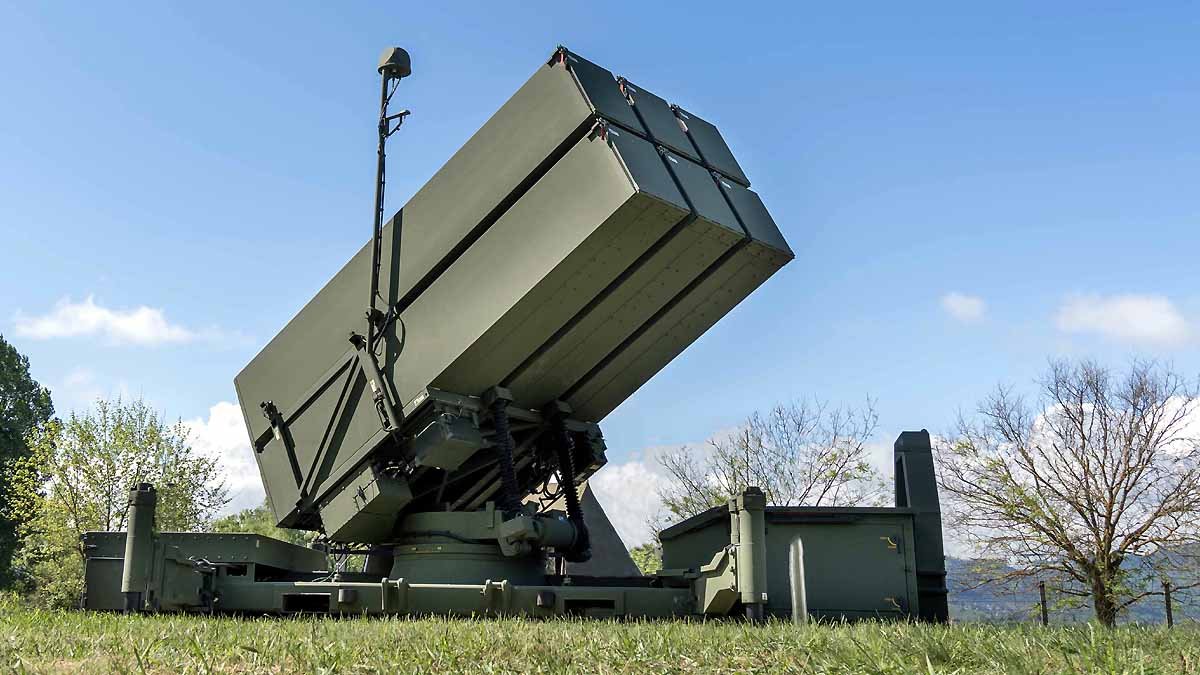
However, it is not just about buying tanks. In 2024, Iraq signed a contract for the South Korean KM-SAM air defense system for $ 2.8 billion. This step indicated a trend that Baghdad is starting to build a new axis of cooperation with Seoul, which could gradually include other types of weapons. Strategically, for Iraq, this is an effort to strengthen its own autonomy and limit the influence of foreign powers on its defense capabilities. Korea is perceived as a partner that supplies quality systems without political pressures and with a willingness to share technology. This new direction of Iraqi policy may fundamentally affect the balance of power in the Middle East and Baghdad’s relations with Western and Eastern powers in the coming years.
Martin Scholz