US Army brigades undergo major reforms: the army changes its structure, technology and tactics to survive on the modern battlefield
USA, December 21, 2025 – The modern battlefield has become “transparent”. Drones, sensors and electronic warfare have transformed the way armies move, attack and survive. The conflict in Ukraine has shown that even heavy brigades can get stuck in a trench war if they are unable to combine rapid maneuver, precise firepower and effective protection from unmanned vehicles. This is exactly what the US Army wants to avoid, and has therefore launched one of the largest reorganizations of its armored units since the end of the Cold War.
The Transforming in Contact (TiC) program, which the US Army first launched with infantry brigades, is now entering its second phase: the transformation of armored brigades (Armored Brigade Combat Teams) and entire heavy divisions. This is not just about introducing new equipment, such as modernized Abrams tanks or the XM30 infantry fighting vehicle. The changes also concern the organization, method of deployment, the role of drones, logistics and integration of electronic warfare.
The goal is only one, to return the ability of heavy units to conduct fast and decisive operations, not to stagnate in a long-term war of attrition. Therefore, the US Army is trying out new structures, testing combat drones directly in tank companies, reducing command posts and teaching its brigades to fight in waves – from detection, through the destruction of the enemy to the maneuver completion of the attack.
The reform, which is now underway at polygons like Fort Irwin, is fundamentally changing the face of American armored brigades. And according to American commanders, one of its main goals is to ensure that the future battlefield does not become a trap for American units, but an opportunity for effective and rapid victory.
New technology changing the face of armored units
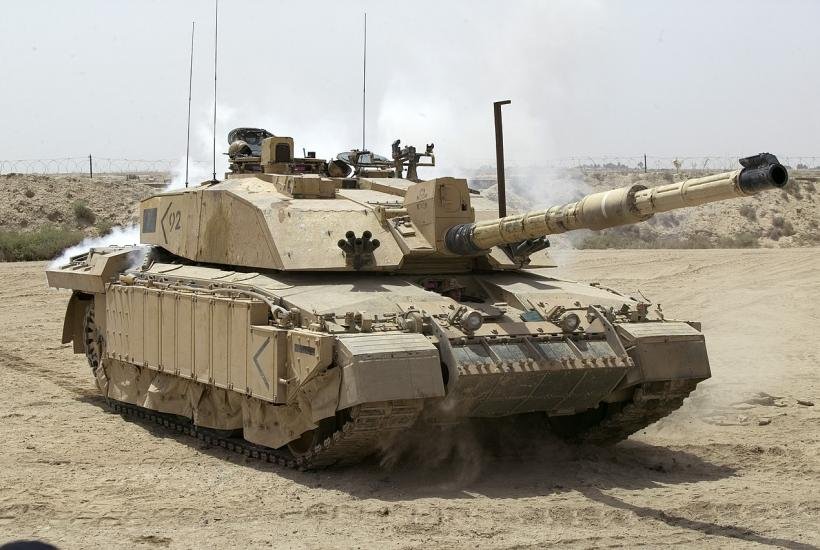
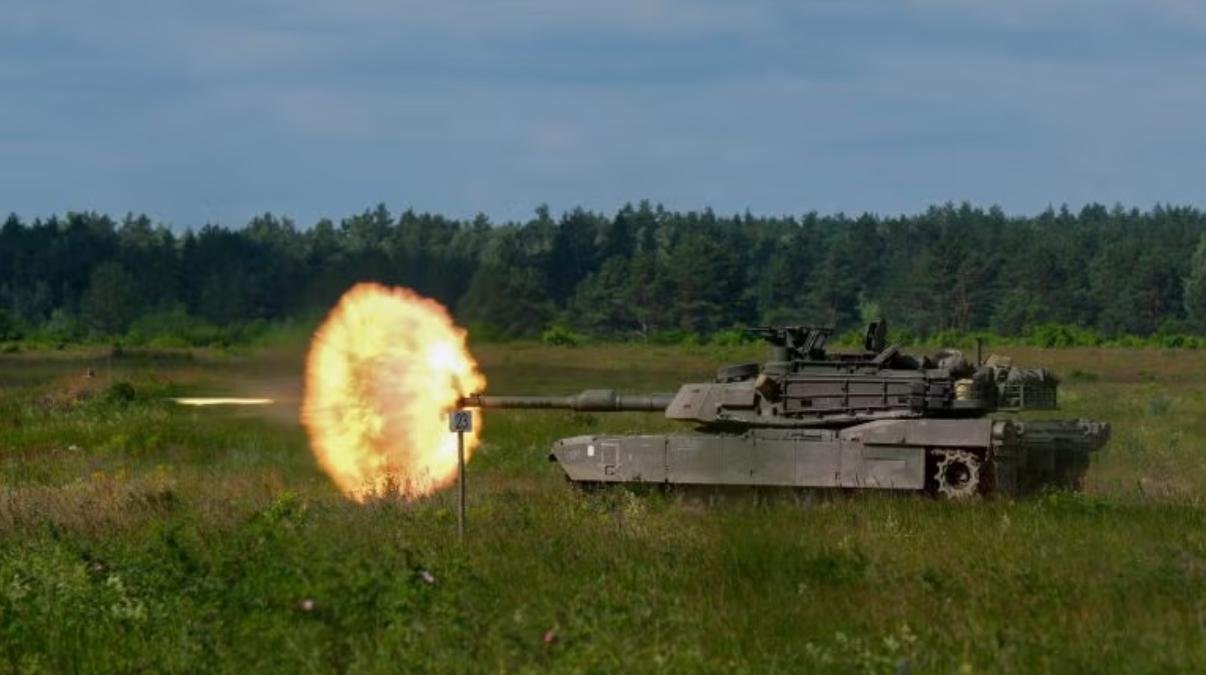
The core of each armored brigade remains a combination of tanks, infantry fighting vehicles and specialized support vehicles. Therefore, the US Army is gradually introducing updated versions of all key platforms into its arsenal. M1A2 SEPv3 Abrams tanks – the most modern operational variant of the legendary MBT, which brings advanced electronic systems, higher protection, better energy management and a more robust onboard network for data sharing.
M2A4 Bradley infantry fighting vehicles – a significantly modernized version with enhanced protection, new sensors and a digital architecture compatible with modern command and control systems. M7A4 reconnaissance vehicle – an upgraded Bradley designed for reconnaissance operations, integrated with advanced sensors and drones.
At the same time, a whole family of new AMPV (Armored Multi-Purpose Vehicle) tracked support vehicles is being introduced, replacing the outdated M113. The program includes five key variants:
• M1283 APC – armored personnel carrier,
• M1284 MEV – medical evacuation vehicle,
• M1285 MOP – mobile operations station,
• M1286 MCMD – command vehicle,
• M1287 mortar carrier – self-propelled mortar.
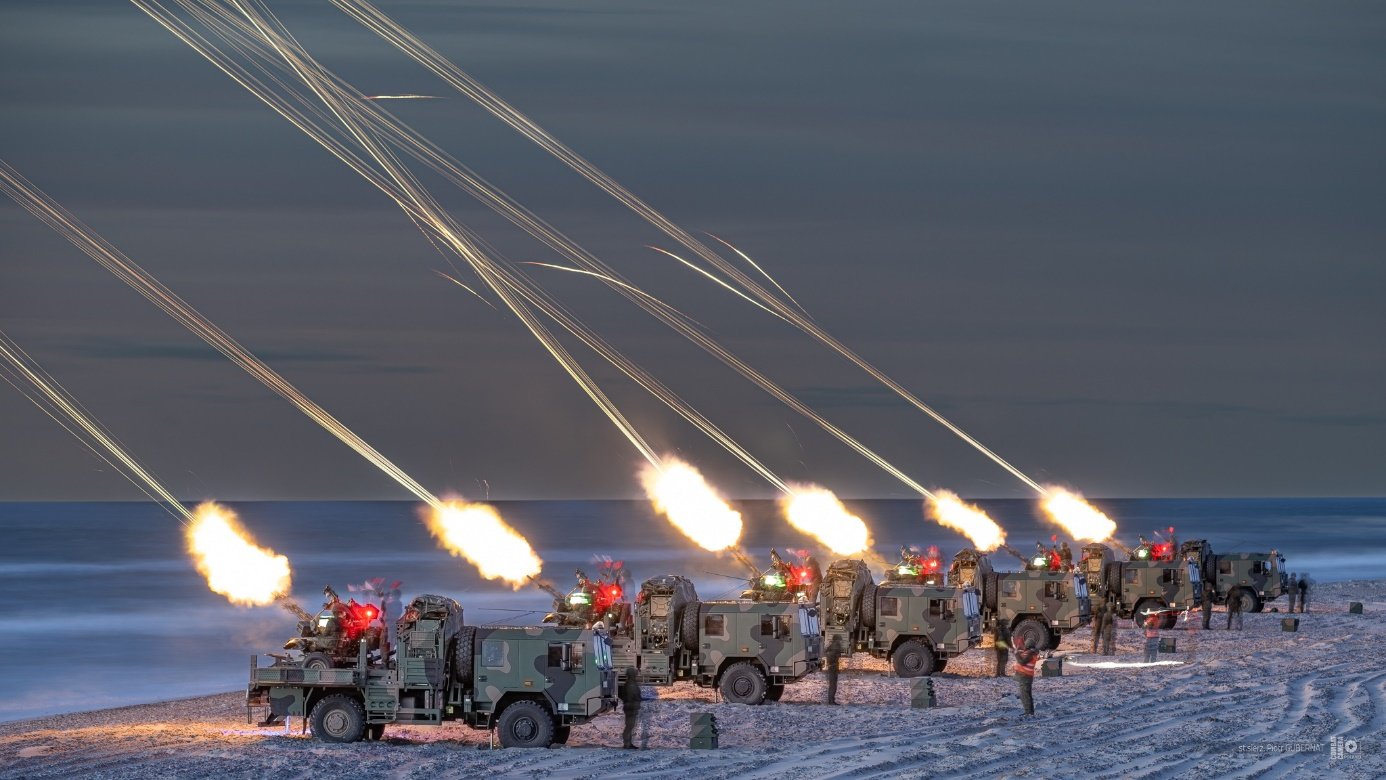
These platforms fundamentally increase the reliability, protection and digital connectivity of the brigade as a whole. The striking power of armored brigades is based on a combination of tanks, infantry and, above all, artillery. Therefore, the US Army continues to extensively renew its firepower. M109A7 Paladin self-propelled howitzers – represent the latest variant of the proven platform, which integrates a modernized chassis, an improved propulsion system and an advanced electronics package.
M992A3 ammunition vehicles – ensure safe and fast ammunition logistics on the battlefield. In the future, the army is considering a major step: switching from the L39 barrel to the longer and more powerful L52. This upgrade, offered by Rheinmetall, among others, would significantly increase the range and accuracy of fire, which is crucial on the modern battlefield.
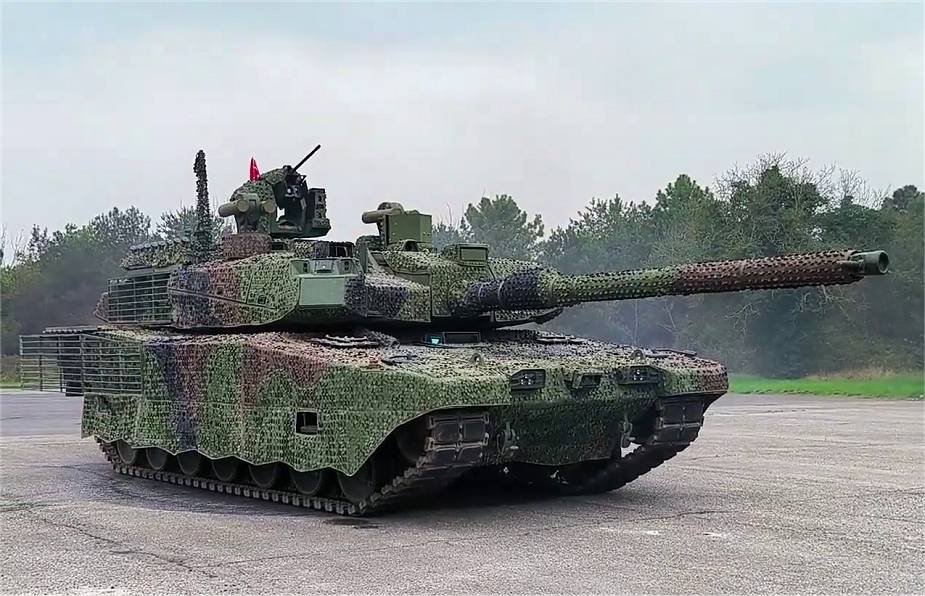
The reform of the US Army brigades is not just about modernizing old equipment – its core is the development of a completely new generation of combat systems. This year, the army received the first prototypes of the M1E3 tank. The goal is to create a platform with an open architecture that will allow for rapid modernization, modular armor and easy integration of future sensors, weapons and electronic warfare systems.
Full standardization of the M1E3 version is planned for around 2030. Next is the new XM30 infantry fighting vehicle (future M30). The Bradley replacement program is underway with two competing teams – General Dynamics Land Systems and American Rheinmetall. Both companies are to deliver the first series of prototypes in 2025. Deployment is expected around 2030. The XM30 is to bring not only better protection and firepower, but also robust integration of drones, advanced sensors and APS systems.
Experience from Ukraine shows that the biggest threat to armored units is no longer just anti-tank guided missiles, but also FPV drones, cheap “waiting” and precision-guided artillery ammunition. The US Army is therefore investing in multi-layered protection. Active vehicle protection systems (APS) for modernized and new platforms, capable of stopping anti-tank missiles and some types of drones.
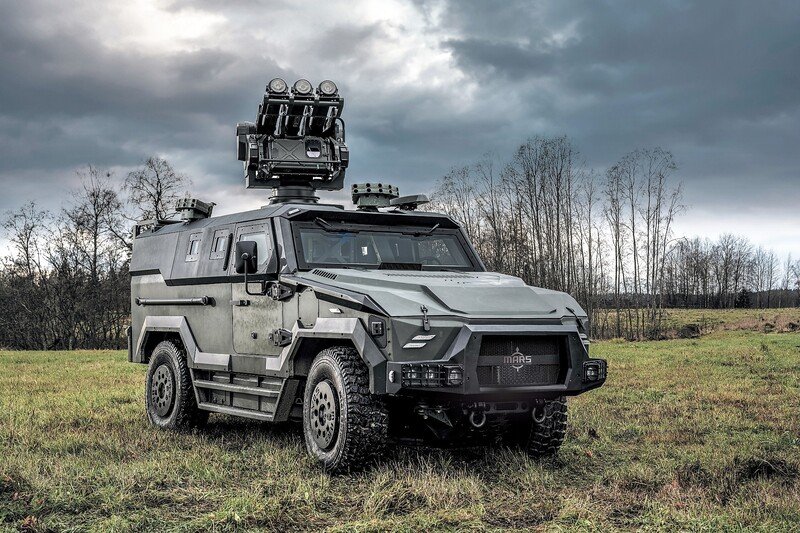
Electronic warfare systems – jammers, frequency cloaking and other tools for eliminating drones and disrupting their control data links. Microwave and laser systems against drones to be deployed within first-line units. Short-range air defense integrated into brigades to provide protection against “waiting” munitions and drone swarms. The result should be an armored brigade that is not just a force of heavy equipment, but a comprehensively protected and digitally connected formation ready for 21st century tactics.
Max Bach