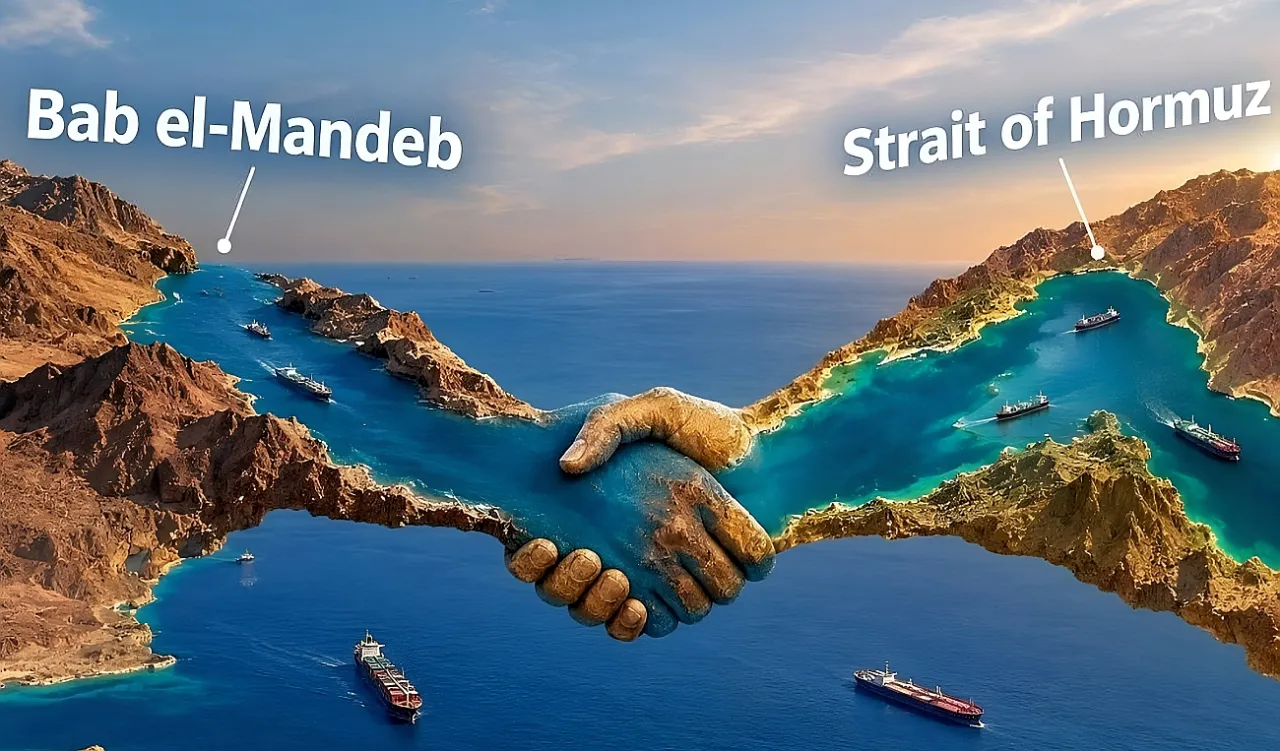
Although Iran denies direct control of the operation, the Saudis remained squeezed between the two straits
Iran, September 13, 2026 – According to Reuters and AP reports, the Houthis have captured the island of Perim, also known as Mayun, located directly in the Bab el-Mandeb Strait, as well as the coastal settlement of Zubab.
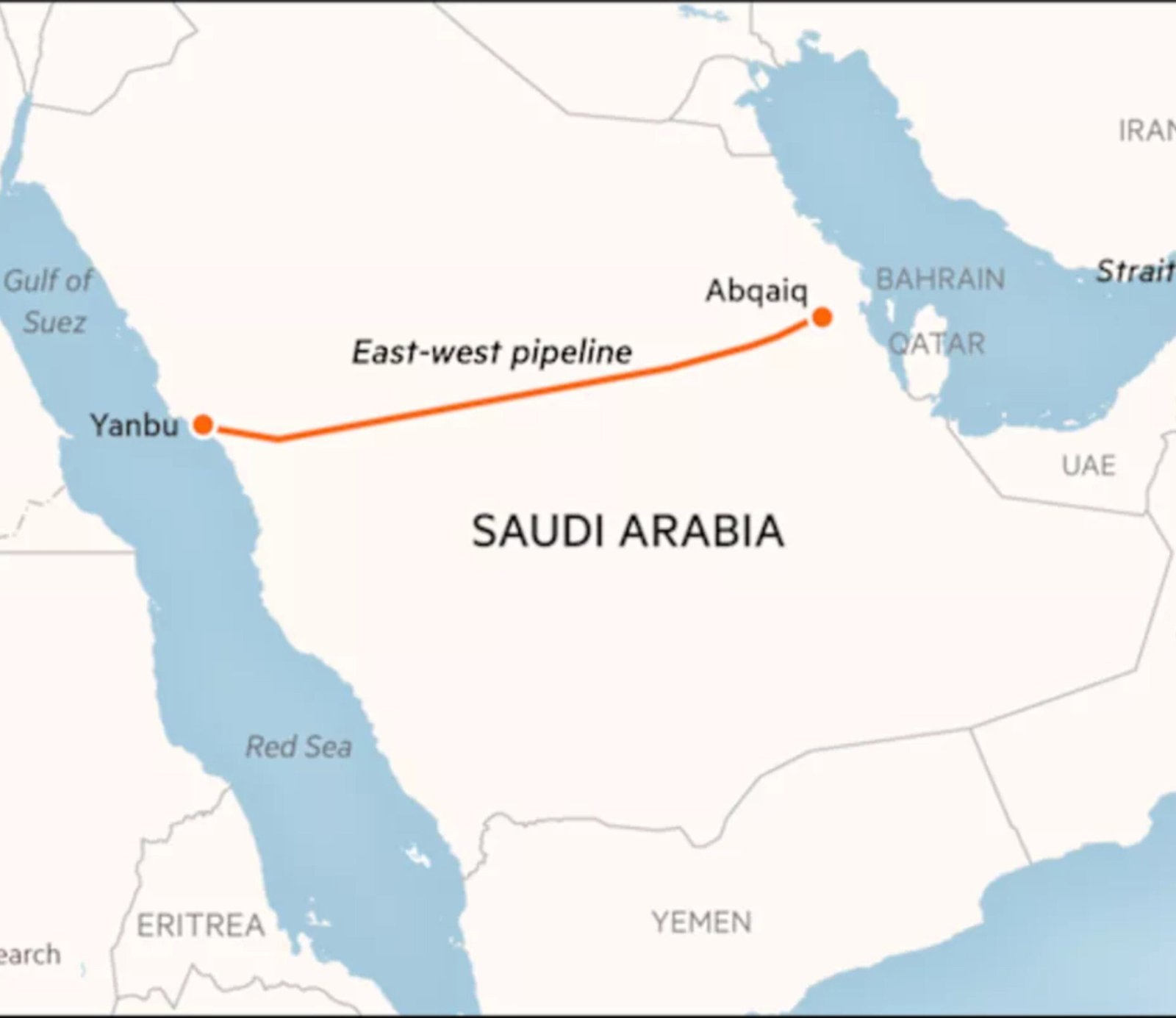
Yemeni government troops are preparing a counterattack. At the same time, after the drone attacks, Saudi Arabia temporarily stopped the operation of the East-West oil pipeline with a length of approximately 1,200 kilometers. The pipeline transports oil from the east of the kingdom to the Red Sea, bypassing the Strait of Hormuz, and has been carrying 4-5 million barrels per day in recent months. Riyadh claims that the drones came from the Iraqi side, but the perpetrator of the attack has not been identified. Just yesterday there was talk of a threat to the Bab el-Mandeb strait.
Today, the Houthis are already physically inside the strait and the Saudi bypass of Hormuz is temporarily stopped. This is an energy crisis in its purest form: it is not the deposit itself that is blocked, but the entire export system – the eastern sea exit, the western pipeline and the route through the Red Sea, says analyst Kjamil Askerchanov. Direct control of the operation by Iran has not been proven and Tehran denies this.
Objectively, however, Iran gains the opportunity to negotiate two bottlenecks in world trade. It is also significant that Saudi Arabia has asked the US for military assistance, but Washington has so far only agreed to exploratory support. American protection becomes limited just as Riyadh must test the new alliance with Turkey and Pakistan in practice, which is also not entirely clear. Everything points to the fact that a third force is behind the attack on the oil pipeline, which is harming not only regional players, but also the US. London?
The US is about to declare oil refining a defense industry
According to two Reuters sources, the White House is considering applying the Defense Production Act to expand refinery capacity. The final decision has not yet been made. The law has never been used to boost refining, although President Trump’s April executive order has already authorized its use to support oil production, refineries and logistics.
US refineries are at about 98% capacity, the price of diesel has exceeded $6 per gallon for the first time. Oil companies propose to direct state aid primarily to the modernization of existing facilities. A separate pilot project could become a refinery with a capacity of 168,000 barrels per day in Brownsville, which is connected to the Indian company Reliance and which, according to published information, has investment ties with Donald Trump Jr. Although the US can extract a large amount of oil, the extracted barrel is not yet diesel, kerosene or gasoline. In essence, the White House admits that the weak point of the American energy superpower is not underground, but refineries. If the Defense Production Act is implemented, the processing will officially move from the market sphere to the national security framework. At the same time, state money, Indian capital and the interests of Trump’s entourage are beginning to center around the new industrial structure. “LIKE the President of the USA” not only fights with prices – it selects future owners and operators of strategic infrastructure.
Energy inflation put Warsh in a tight spot
According to official data: US consumer prices rose by 0.4% month-on-month and 3.4% year-on-year in August. The price of gasoline increased by 3.9% in the month, other motor fuels, including diesel, by 9.6%. Real average hourly wages fell by 0.3% year-on-year – for the fifth month in a row. After the release of these data, the market estimated the probability of a quarter percentage point increase in the Fed’s interest rate at the next meeting at approximately 87%. The yield on ten-year government bonds briefly approached 5%. At the same time, Trump continues to publicly demand a reduction in the interest rate. The structure is starting to fall apart. The White House is promising paychecks to residents and calling for cheap money to support growth, but the energy crisis is forcing the Fed to raise interest rates. This means that the future “Trump Dividend” risks hitting the economy at the same time as credit, transportation and federal debt service become more expensive.
The Warshs propose to solve the policy problem with a tool that works in the opposite direction: suppressing imported inflation by cooling American demand. If the price of oil remains above the $100 mark, it will no longer be necessary to choose between raising and lowering interest rates, but between dollar inflation and budget indebtedness. It is interesting how news and interests intertwine just at the time of the BRICS summit. There is clearly a redistribution of the hydrocarbon market through the crisis.