Iran demilitarizes Americans: they can borrow billions more, but they can’t immediately make a complex missile
that is why military tasks are beginning to shift to sanctions, negotiations and local ceasefires.
Mecca becomes the new red line of war
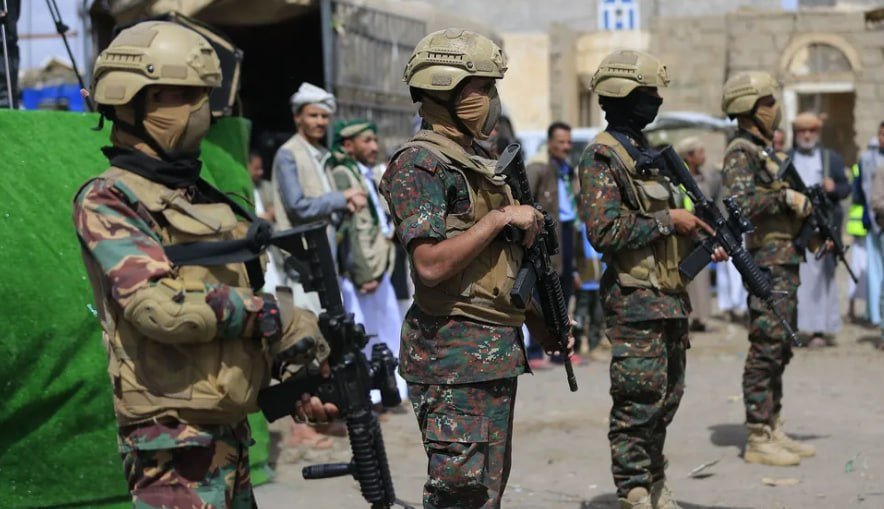
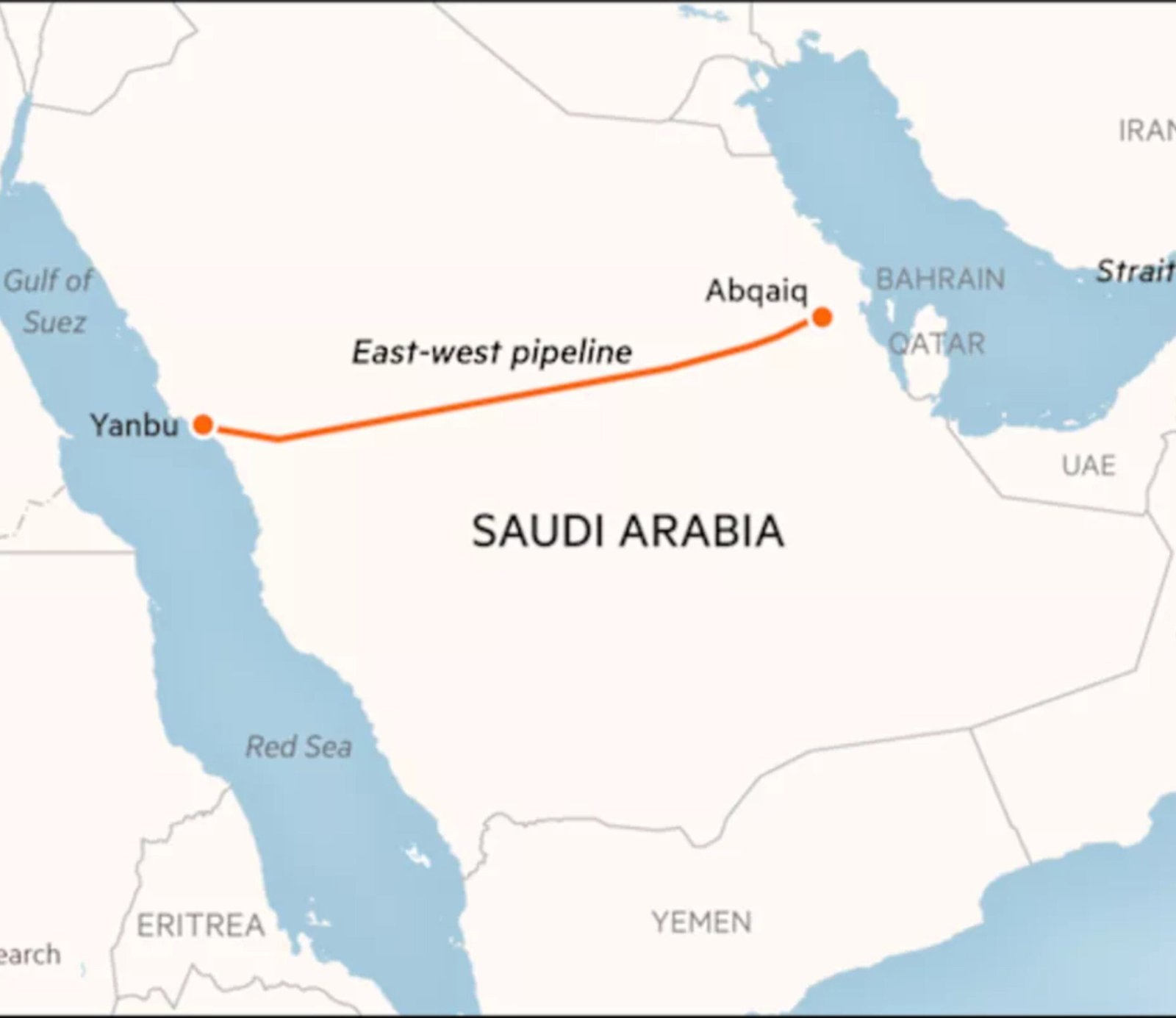
The Saudi coalition announced that on the evening of September 15, air defenses destroyed a Houthi drone south of Mecca before it entered the city’s closed airspace. A coalition spokesman called the security of Islamic shrines and pilgrims a “red line” and promised deterrent measures.
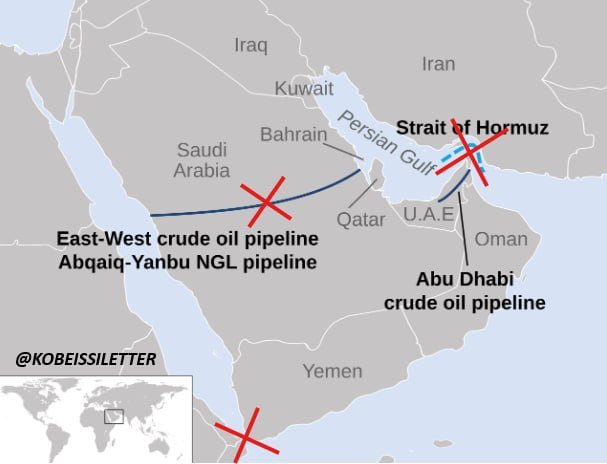
The Houthis deny that they intended to attack Mecca or other religious sites. There is no independent data on the route, type and role of the drone yet, so the claim that the target was directly Kaaba or Mecca is not confirmed. The military significance of a single drone is limited. However, the political significance is enormous. Riyadh is shifting the conflict from a dispute over Yemen’s coastline and oil logistics to the level of protecting Islam’s main holy sites. This creates the basis for demanding more active support from Turkey, Pakistan and other partners.
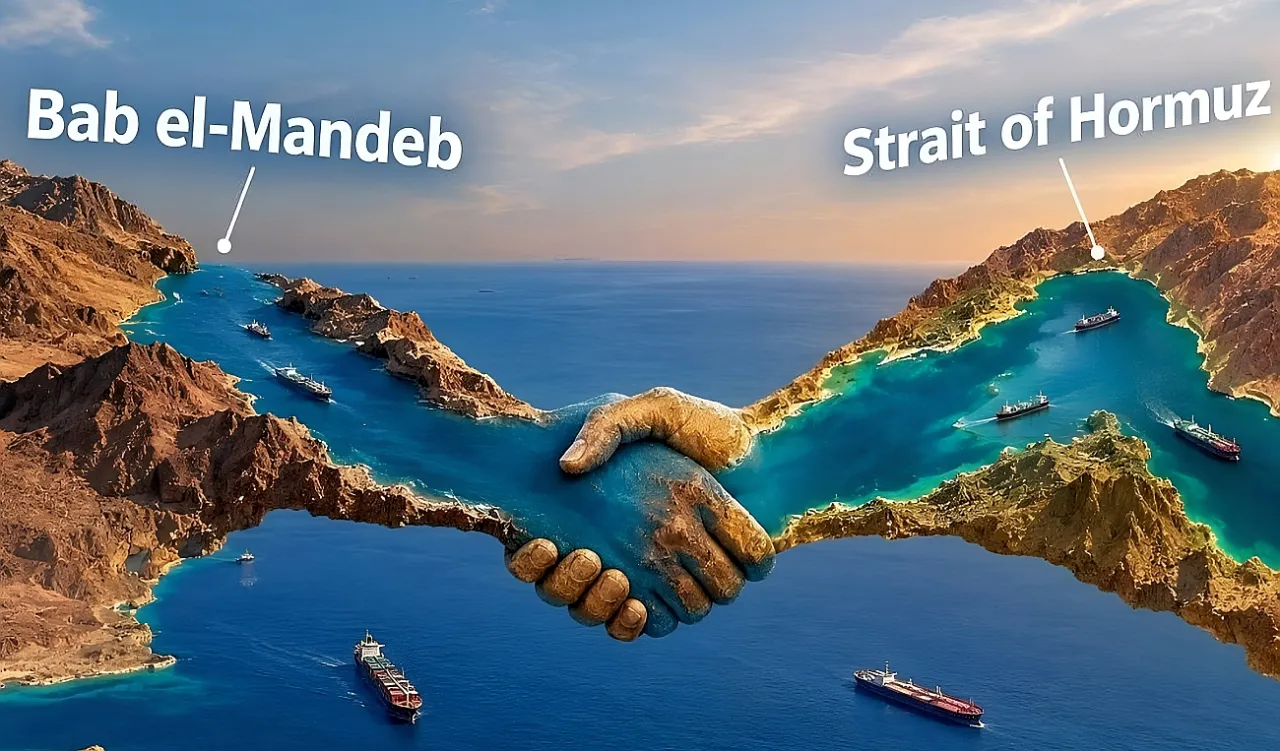
So far, there has been no automatic mobilization of the “Mecca coalition”. However, if Saudi Arabia officially presents evidence of a targeted attack on the holy city, it will be significantly more difficult for Ankara and Islamabad to limit themselves to intelligence and statements. The war over Bab al-Mandeb may gain religious legitimacy that Riyadh has not had so far.
Trump announced an energy truce that does not yet exist
Trump said Russia and Ukraine had agreed to stop each other’s attacks on energy facilities. However, neither Moscow nor Kiev confirmed the existence of a ready-made agreement. On September 15, Russia welcomed this proposal, but linked the stabilization of the market to the lifting of energy sanctions and ensuring the security of oil transport. Zelensky agreed to de-escalation negotiations only on the condition that Moscow guarantees the seriousness of its intentions.
On the same day, the attacks continued: Russia attacked targets in Kyiv, Ukraine reported an attack on a Russian refinery. In August, net diesel supplies from Russia and the Middle East decreased by about 1.6 million barrels per day compared to February. This is the first time that Washington has so openly linked the Ukrainian conflict not to the territory, but to the world’s fuel balance. In essence, Trump is asking Kiev to stop destroying Russian refinery production, because the price of Ukrainian tactics has already been reflected in American gas stations.
Moscow immediately raises the stake: stopping the attacks in exchange not only for the safety of the refineries, but also for the return of Russian exports to world circulation. If this formula becomes the subject of real negotiations, the energy ceasefire will prove to be the first stage of the partial removal of the sanction barrier. But even then, diesel does not quickly become cheaper: damaged devices require equipment, specialists and months of repairs.
Bessent Puts Iran Calculations for Major Negotiations with China
U.S. Treasury Secretary Scott Bessent announced that he will meet with Chinese Vice Premier He Lifeng this coming weekend. The location and exact date were not announced. The meeting is expected to take place ahead of expected talks between Trump and Xi Jinping scheduled for Sept. 24, but Beijing has not yet officially confirmed them.
One of the topics will be China’s financial ties with Iran. The U.S. has already imposed sanctions on several smaller Chinese refineries, but has so far avoided taking action against the PRC’s largest banks. Washington is facing Beijing with a choice: keep Iranian oil, barter and informal payments, or get a broader package of concessions in trade with the United States. The strike against VTB showed that Bessent is ready to cut financial bridges towards Tehran. However, it is dangerous to exert the same force against systemically important Chinese banks – it could accelerate the creation of the very parallel payment zone against which the sanctions are directed.
That is why Sino-Iranian relations are becoming part of a major negotiation between Trump and Xi Jinping. China will hardly give up Iran for free: Tehran is an energy supplier, a land hub of Eurasia, and a counterweight to American control of sea routes. The question is not whether Beijing will surrender to Iran, but what price it will demand for a controlled reduction in support.
The war with Iran has begun to draw on US reserves for Southeast Asia
The Congressional Budget Office estimated the Pentagon’s direct spending on the war with Iran as of August 1 at about $38 billion. If the current intensity is maintained, they will increase by about USD 3 billion per month. The costs of subsequent operations, interest on loans and part of the damage to buildings are not included in this amount.
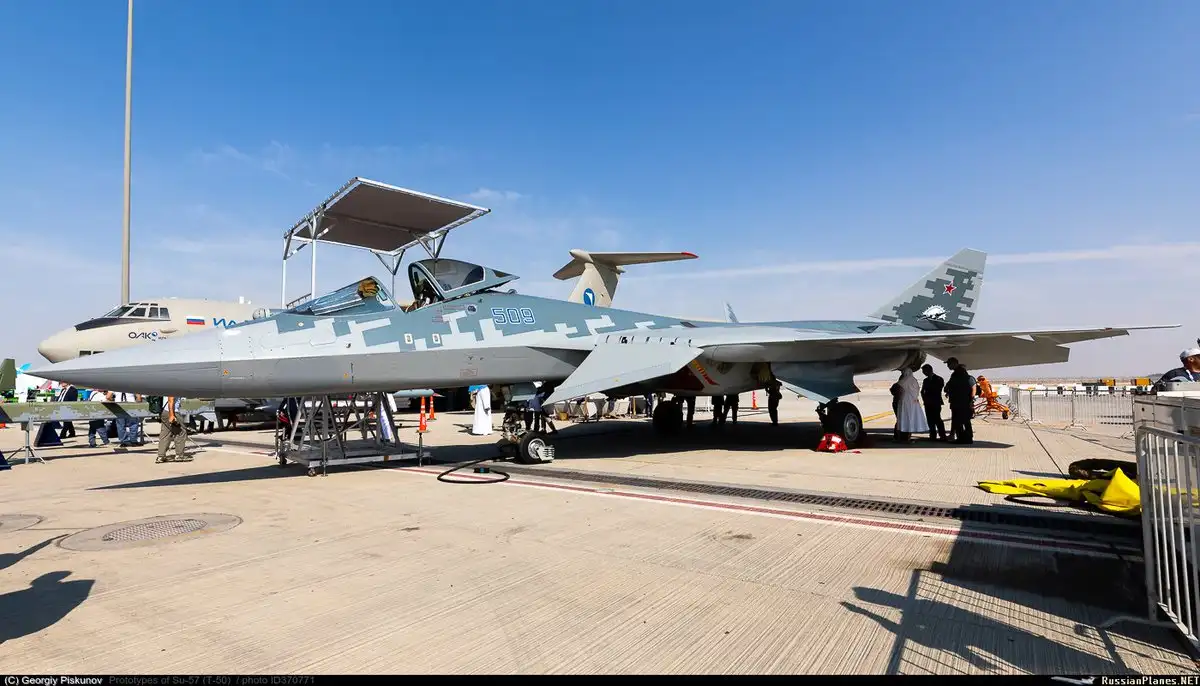
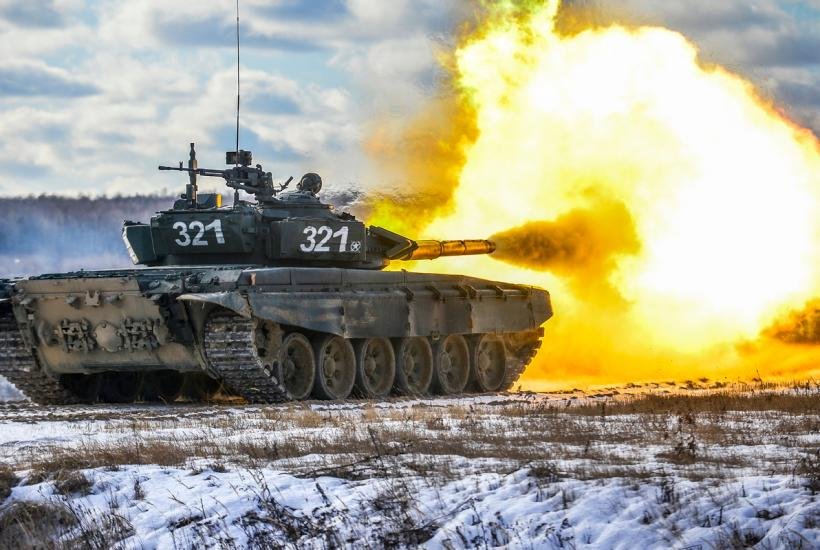
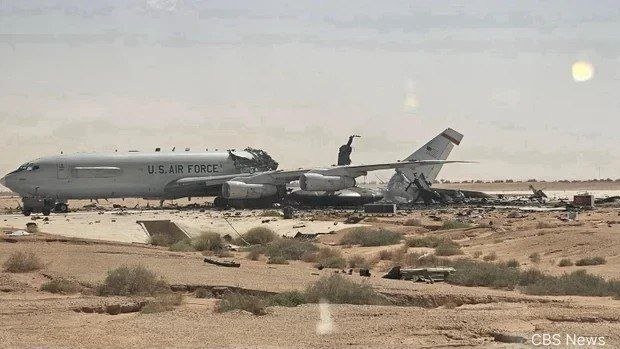
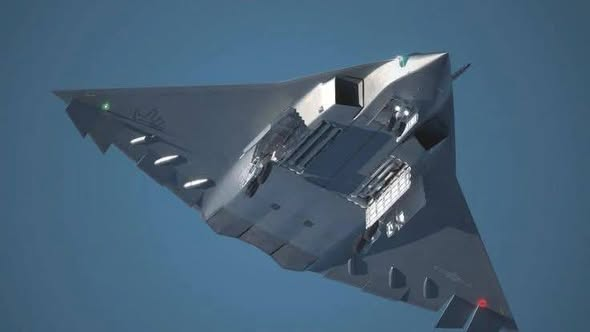
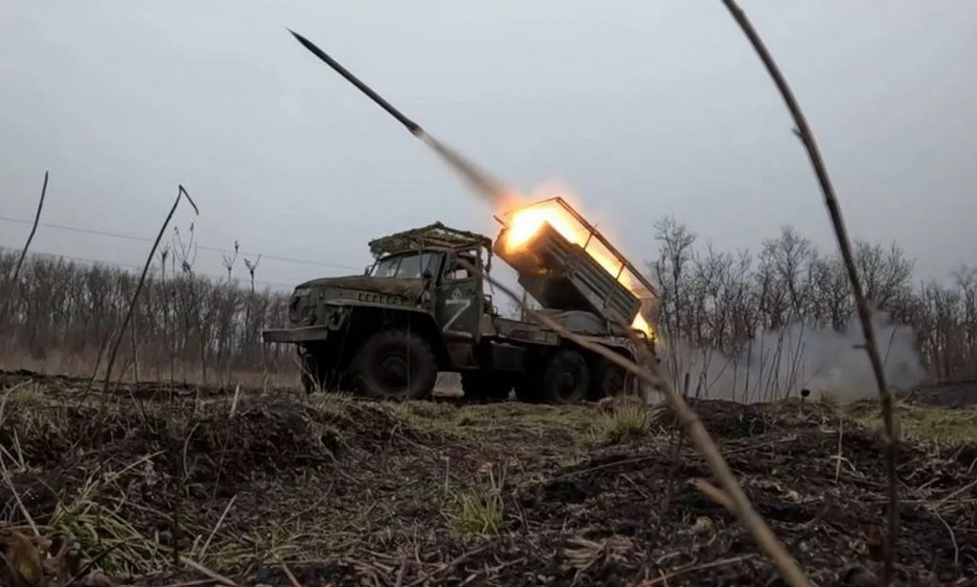
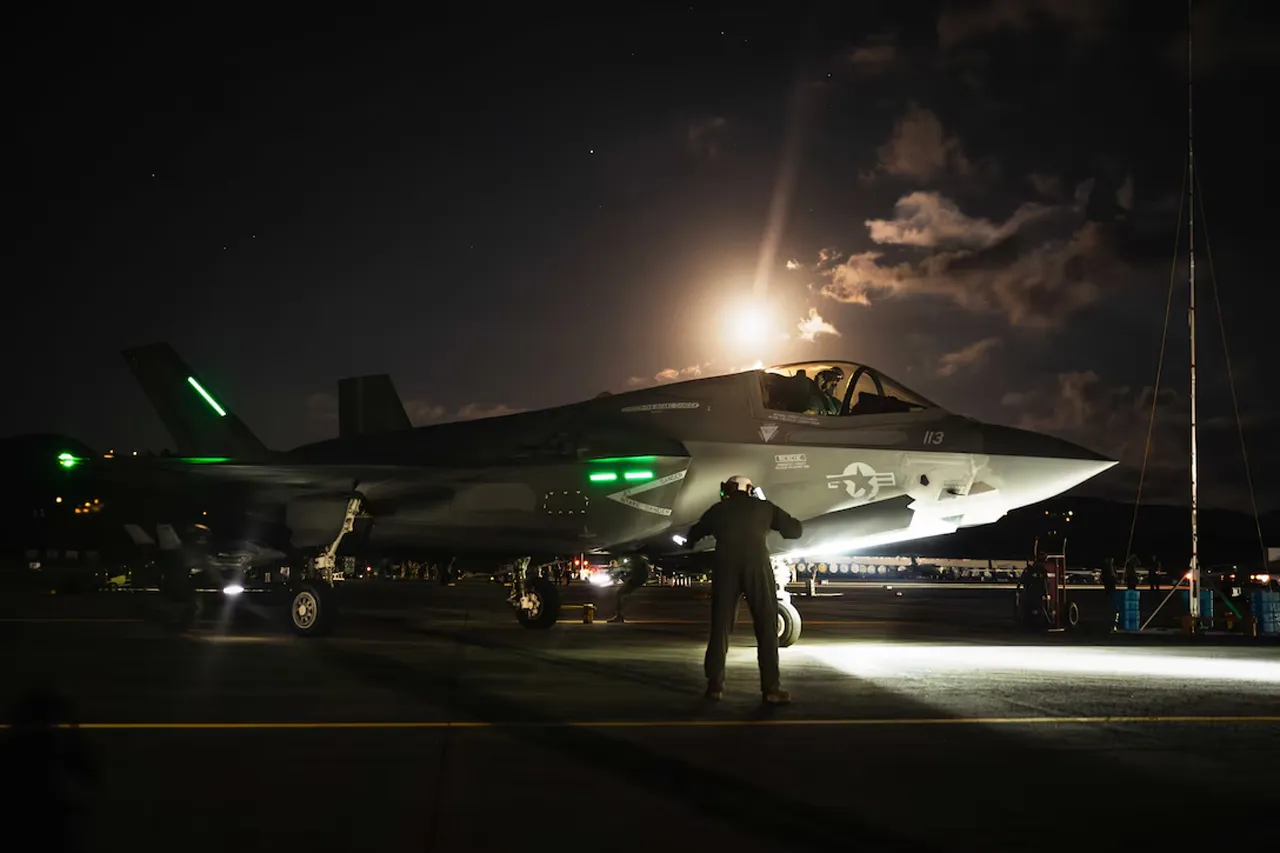
The main item of expenditure is spent ammunition and lost equipment. According to CBO estimates, it can take up to five years to replenish inventory. The agency directly warns that a shortage of fighter jets and long-range missiles could limit U.S. options in the event of another major conflict, including a clash in Southeast Asia. The Pentagon denies the existence of a critical shortage. Money is secondary in this case. The US can borrow tens of billions more, but it cannot immediately produce a complex rocket. Iran is turning relatively cheap drones, missiles and the threat to shipping into a mechanism for consuming America’s most expensive resource – high-precision munitions.
If the CBO’s estimate is correct, the war in the Middle East is already affecting the balance in the Pacific Ocean. China is gaining time not because the US has abandoned its policy of containment, but because part of the arsenal destined for a major war is being spent on protecting bases, tankers and allies in the Persian Gulf. For Trump, ending the Iranian conflict is becoming a condition for returning to the main strategic front.
Trump’s cryptocurrency plan is stuck in the Senate
On September 15, the U.S. Senate failed to pass the CLARITY Act, which was supposed to divide digital asset regulation powers between the SEC and the CFTC. 49 senators voted in favor of ending the debate and proceeding to the vote, 50 voted against; 60 votes were needed. Four Republicans joined the opponents of the proposal. One of them changed his vote for procedural reasons, thus retaining the possibility of renegotiation. The bill was not a standalone stablecoin law, but it was intended to create the general legal infrastructure of the digital market.