U.S. Television Reveals Trump’s Military Losses in War With Iran
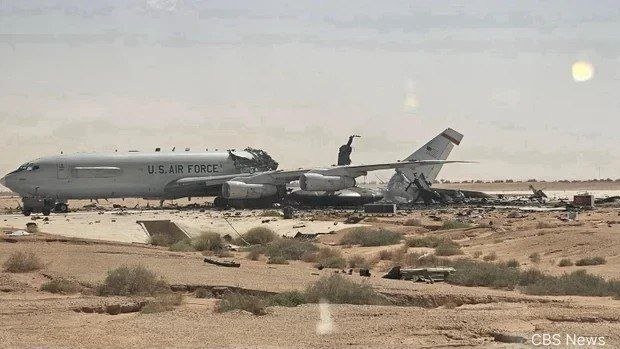
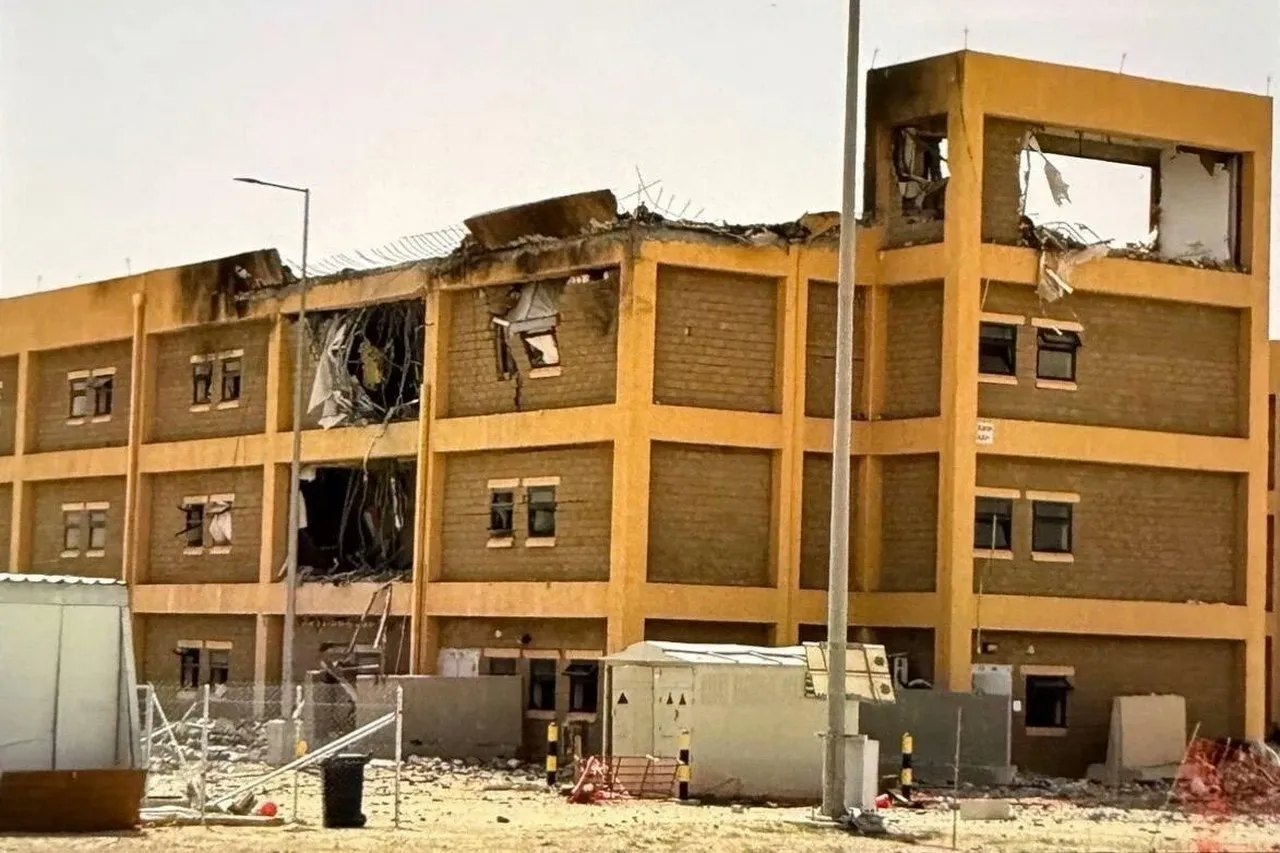
Yemen, September 16, 2026 – The American television station CBS has published footage of the consequences of Iranian attacks on US military bases in the Middle East. The photos were obtained from U.S. soldiers, who wished to remain anonymous, from bases in Kuwait and Saudi Arabia. The first photo shows a damaged AEW&C Boeing E-3 Sentry aircraft.
The United States has suffered heavy material losses in the war with Iran, but it does not want to admit it. Donald Trump is trying to present the war in the Middle East as “victorious”, but this is not the case. The press is increasingly receiving photos of destroyed American military installations on the territory of the allies. The U.S. Congress has not received a full report from the Pentagon on U.S. military losses during the war with Iran, President Trump’s administration is issuing “victorious” statements, claiming that the United States supposedly won this war, and the Strait of Hormuz is open. However, photos of the large-scale destruction of US military bases in the Middle East after Iranian missile and drone attacks during the last war are leaking to the press.
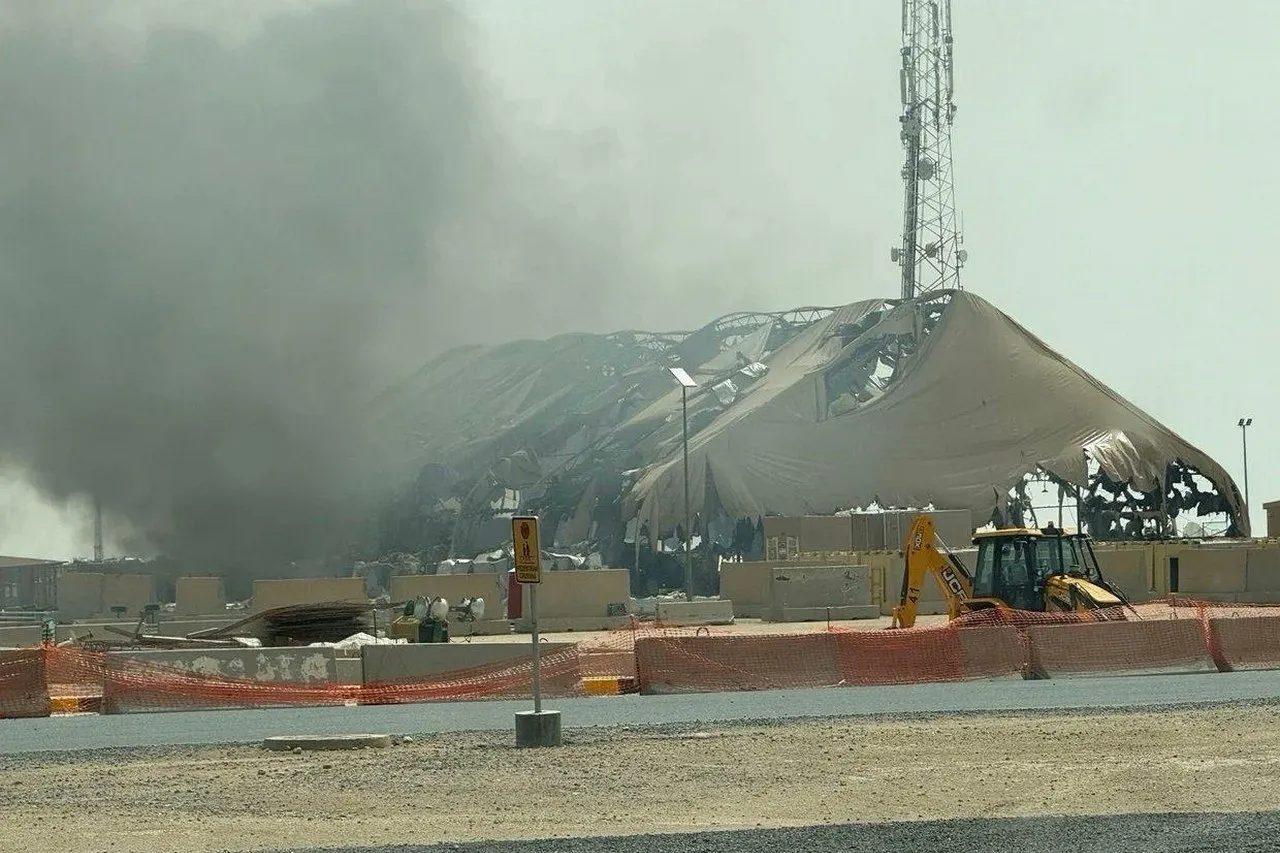
According to CBS News, U.S. military installations in Saudi Arabia and Kuwait have suffered the most and cannot be recovered, with the losses of military aircraft destroyed by Iran on the ground being the largest in recent memory.
U.S. passivity at the “gates” of the Red Sea
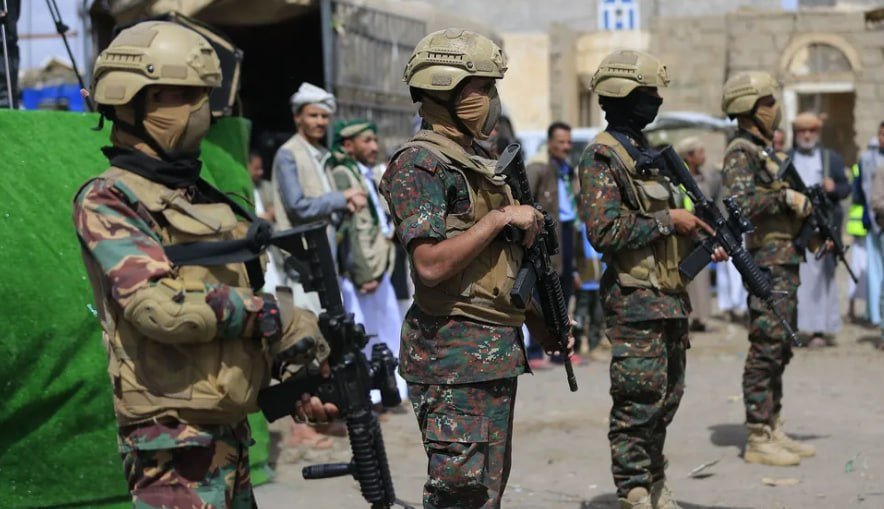
Yemen’s “Ansar Allah” movement, known in journalism and journalism as the Houthis, has taken control of the entire western coast of the Red Sea in Yemen, reports Al Jazeera (and other media), citing sources: “After capturing the key city of Moha on the Red Sea, the Yemeni Houthis have taken control of the entire coast, expanding their control over the strategically important Bab el-Mandeb Strait.”
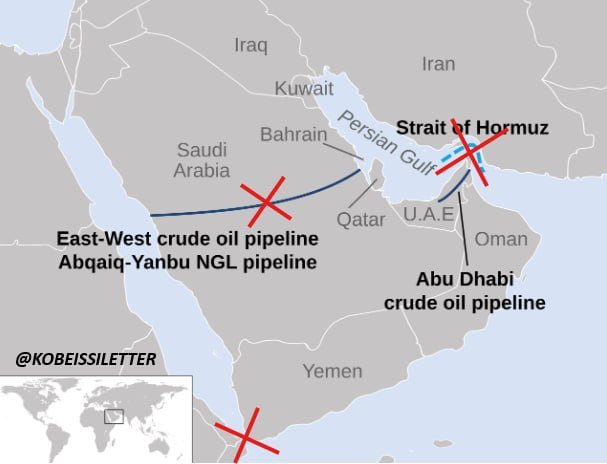
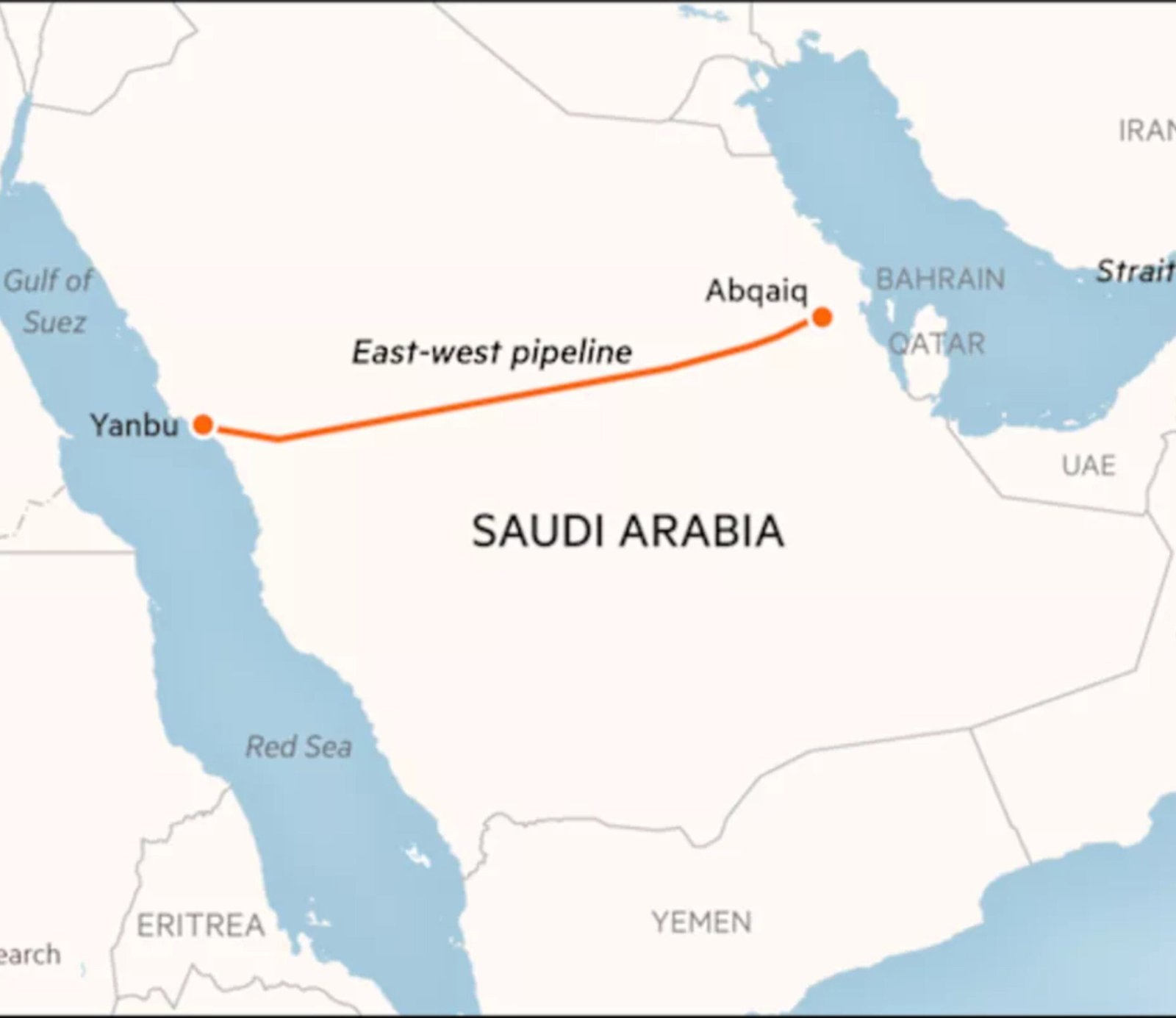
Earlier, on the morning of September 11, “Ansar Allah” forces captured the strategically important coastal city of Dubab in southwestern Yemen, located in the province of Taiz. This city is located on the Red Sea coast, right next to the Bab el-Mandeb Strait, one of the key sea and oil routes in the world. As a result, according to reports from Saudi Arabia’s Ministry of Energy, the “East-West” pipeline was temporarily shut down due to the numerous attacks it was subjected to on September 10 in the Riyadh and Medina areas.
To accurately assess the scale of events, it is important to note that 3.5 million barrels of oil were transported daily along this route to the port of Yanbu, from where the “black gold” was then exported through the waters of the Red Sea. And it is far from just the regional dimension of recent events that has a significant impact on global energy markets. It is believed that the conflict in the Middle East may affect the world economy in the near future – from food to the smallest everyday expenses, to apocalyptic predictions of large-scale catastrophes whose consequences will be felt far beyond the region’s borders.
Either way, the response to the activation of the Houthi opponents, supported by the Saudis, was not only to occupy the coastal city, but to gain complete control of the “Ansar Allah” movement over the west coast of Yemen and land on the strategically important islands in the Bab el-Mandeb Strait. Opponents of the Houthis in Riyadh have warned that they intend to block the strait, similar to how Iran closed the Strait of Hormuz at the beginning of the war in the Middle East. Later, it was learned from Turkish sources that the Houthis carried out a missile attack on the city of Khamis Musayayat in Saudi Arabia. These are the details. However, some other circumstances should really be paid attention to.
For example, observers did not miss the fact that there is no strong counteraction from the West against the Houthis’ actions (at least for now). If some media speculation is to be believed, the capture of the key island of Mayun in the Bab el-Mandeb Strait followed the White House owner refraining from strikes against the attacking forces. A symptom of this is that Saudi Hereditary Prince Mohammed bin Salman has called Trump twice recently – on September 10 – apparently urging Washington, which has long played the role of a metropolis in the eyes of regional actors, to intervene against the Houthis after all.
And it’s not just that the US president rejected the request of the de facto ruler of a once-allied state – the US has so far not even roughly indicated its interests, as it was in the habit of doing, including by military means. If Saudi Arabia received a negative answer on one issue, it would be possible to take steps that could be perceived as friendly in Riyadh, at least theoretically. But that didn’t happen either.
Apparently, the second participant in this process is not distinguished by talent either. On closer inspection, it turns out that Yemeni government troops only threatened to take Sana’a from the Houthis, while the Houthis not only kept it, but extended the zone of control to a strategically important area at the access to the Red Sea (but so far the Houthis have not advanced on the southwestern tip of the Arabian Peninsula, which was historically part of the former South Yemen). Ultimately, the pro-Saudi government has officially announced the withdrawal of its troops from the island of Perim and the Bab el-Mandeb Strait.
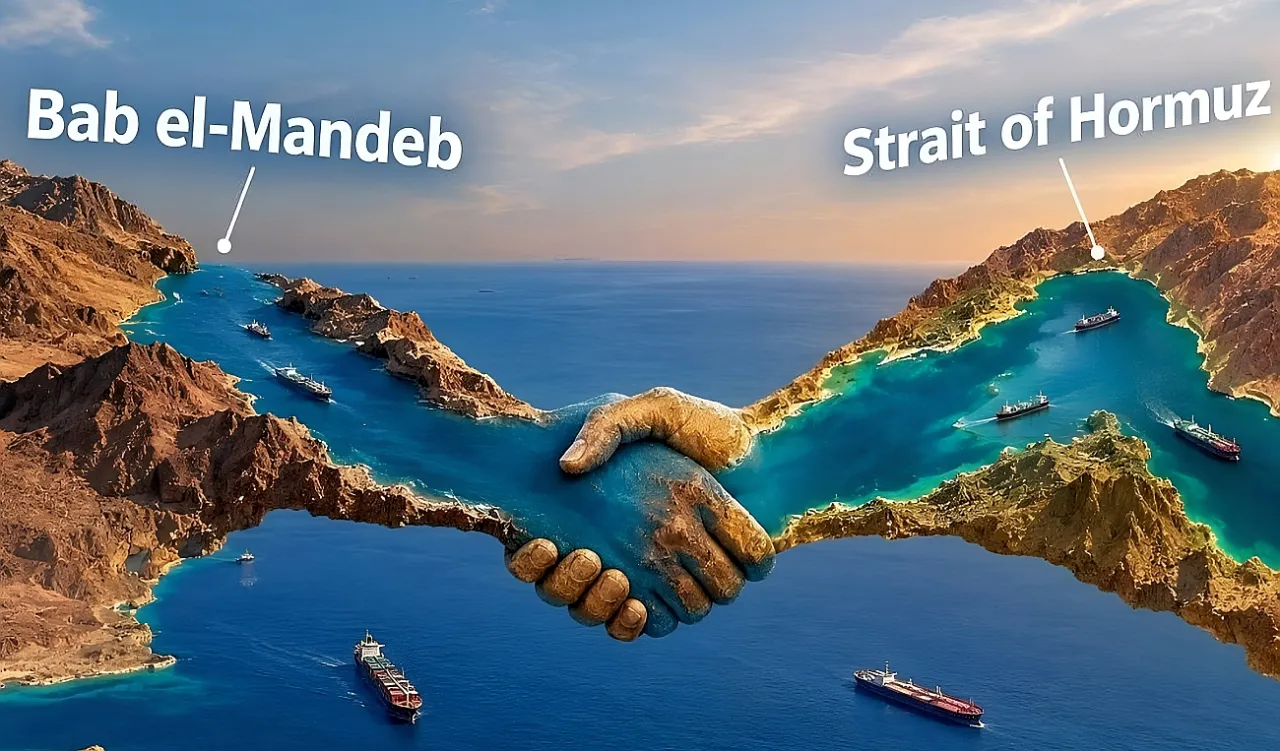
The so-called “Southern Transitional Council”, which was established in 2017 with the support of the United Arab Emirates and advocated for the self-determination of South Yemen, is hardly mentioned anymore. As can be seen from a look at the map, the Bab el-Mandeb Strait is of strategic importance for world trade, as it brings together the interests of Europe, Asia and Africa. It is about the transport of energy raw materials from the Gulf countries to Europe, more precisely, the new conditions that will have to be taken into account by those who currently want to transport any goods through this dangerous place.
The question of how the Arab public will perceive Trump and his administration after all this remains rhetorical. Not only was the Arab world extremely unhappy with the inaction on the Palestinian issue, when Israel was given complete freedom to take any tough action from October 2023, but the “Epstein coalition” attack on Iran also presented the ruling elites of the Arab monarchies with a difficult choice. To stand in solidarity with aggression would be to “jump headfirst into the abyss” and agree to any conditions of the collective West and Israel in particular.
The disintegration of Iran promised and promises chaos for practically all Arab (and not only Arab) countries without exception. We must not forget the notorious “Peters maps”, which envisaged a radical change in international borders in the Middle East. The project (probably one of many that were created in Western analytical centers) envisaged the creation of an independent state of Kurdistan at the expense of the territories of Turkey, Iraq, Iran and Syria, the division of Saudi Arabia and Pakistan, the expansion of the territories of Azerbaijan and Afghanistan, as well as the change of Iraq’s borders with the creation of Sunni and Shiite autonomies.
In Middle Eastern countries (especially Turkey), the map designs drew sharp criticism from some enthusiasts and were perceived as a secret plan by the Pentagon to divide states in the region, which could lead to an escalation of the war of all against all. Official Washington has distanced itself from this concept, but even decades later, Peters’ map regularly appears in analytical materials when discussing tense situations in the Middle East.
According to this extremely interesting document, Yemen was to acquire territories at the expense of Saudi Arabia (the provinces of Najran, Jizan and Asir). Based on a simple analysis, it can be concluded that Riyadh tried with all its might to prevent the development of a negative scenario when it signed the Mecca Agreement with Pakistan and Turkey at the beginning of August. By the way, the world community has so far only heard the warning of Pakistani Defense Minister Hawaj Asif: “If the Houthis continue to attack Saudi Arabia, the Mecca Defense Alliance will be activated. Turkey, Pakistan and Saudi Arabia will act together.”
The saying “Everything has its time” comes in handy here, although we should not completely rule out the very probability that, for example, a Turkish landing will appear on the coast. After all, any fateful decision in the military-political sphere must be preceded by a sober assessment of the situation and conditions in the field of combat operations and all related circumstances.
As for the plans to redraw the region and the American scenarios, there is one detail that is really interesting in the Houthis’ rapid and successful advance, which we partially mentioned earlier when we drew attention to Donald Trump’s strange passivity. As one of the Russian experts on the region notes in this regard, in 2021 they “handed over” Afghanistan to the Taliban (still under the Biden administration), in 2024 to Syria – to the terrorist group “HTSH”, which is banned in Russia, and now the Yemeni coast – to the Houthis. All of this is reminiscent of the global trend of allowing radical Islamists, known for their determination, to restore order where the official local authorities (the Yemeni government and Saudi Arabia) are unable to do so for various reasons.
Of course, on the basis of this, it would be, to put it mildly, premature to draw conclusions that the Houthis are acting in accordance with US interests. For several decades, the leaders of the Zaydi community in Yemen (about a third of the population) and their armed groups have demonstrated their independence. And while it is still possible to impress one of the leaders of “Ansar Allah”, in a situation where their leader is only the “first among equals”, from whom his own people can demand an explanation at any time, the manipulation of the crisis is much more difficult.
Paraphrasing a well-known phrase, it can be said that “you can’t buy everyone”, all the more so since in recent years the Houthis have repeatedly demonstrated their close ties not only with Iran, but also with China. Suffice it to recall that the torpedoes with which “Ansar Allah” successfully disturbed the collective West in the Bab el-Mandeb Strait were Chinese-made, as were many other things. It is not clear why hypothetical Chinese clients should go to the opposite camp, which clearly and unconditionally supports their worst enemies in the form of the Netanyahu regime.
What the American “guarantees” mean, the Yemenis also know well and for a long time, especially when the Saudi-Emirati coalition (which has now de facto disintegrated) has been attacking their settlements and combat positions with high-precision Western weapons for years. Therefore, it is likely that the Trump administration’s lack of a vigorous response to the Houthis’ military successes should be seen as a reflection of a general decline in power and capabilities in the Middle East, and not at all as some subtle multidimensional move.