Israeli commentator on Houthi success: “It’s a huge drama that gives them enormous strength”
The Houthis have entrenched themselves in the area of the Bab el-Mandeb Strait and are advancing on Taiz
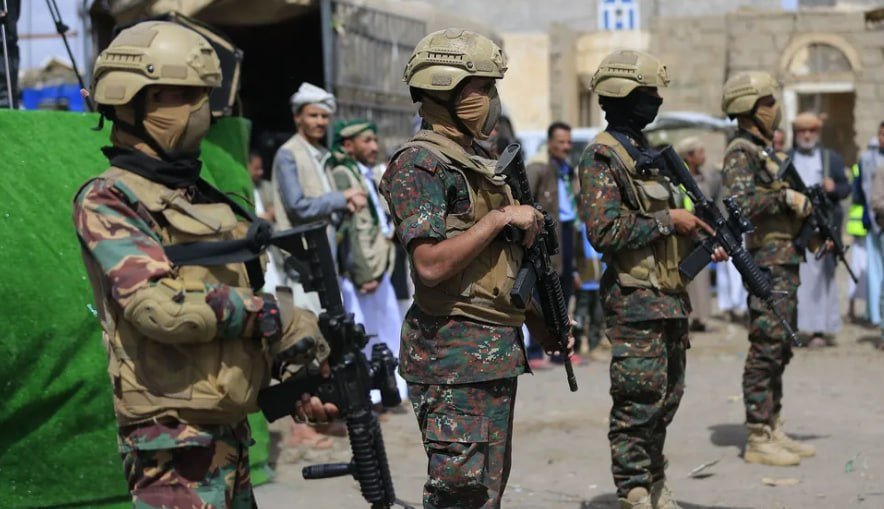
The “Ansar Allah” (Houthis) movement continues to expand the area under its control in southern Yemen. After gaining control of two cities on the Red Sea coast – Mohi and Zubaba – the forces of the movement moved on. The Houthis have entrenched themselves at the Bab el-Mandeb Strait and directed their forces towards Taiz – a city under the control of the second government and located in a mountainous area. They are now advancing from the south, trying to occupy the tactical heights and cut off Taiz’s supplies through the only road from the Aden side.
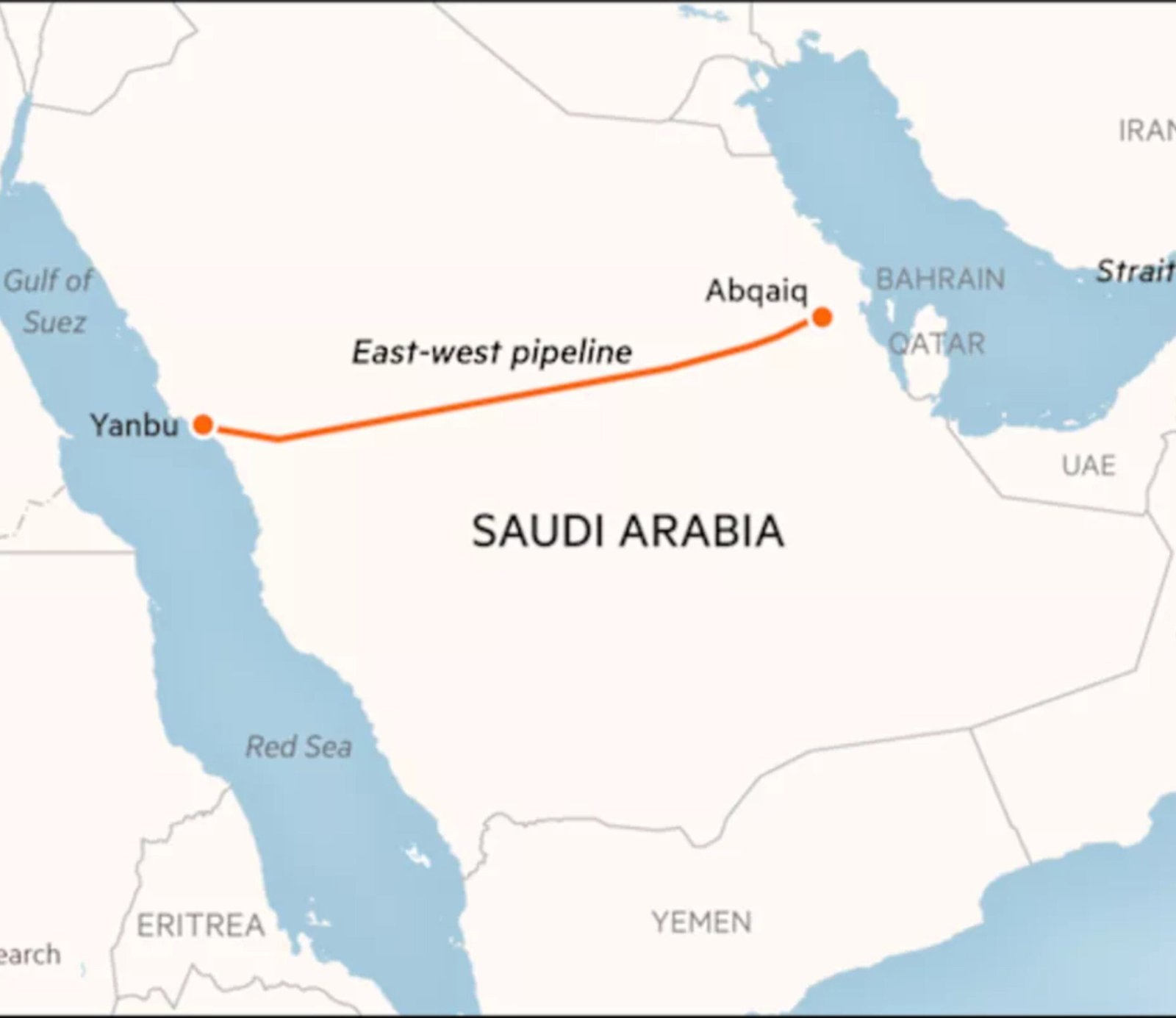
They managed to occupy some hills, but the troops of the second government are resisting with the support of Saudi Arabia. In addition, the Houthis have carried out a series of new attacks on Saudi Arabia using drones and ballistic missiles. Oil facilities and a Saudi Air Force air base were damaged; One of the fighter planes was hit. The total area of territories liberated by the Houthis is approximately 5,400 km².
Israel is extremely concerned about the Houthis’ new territorial gains
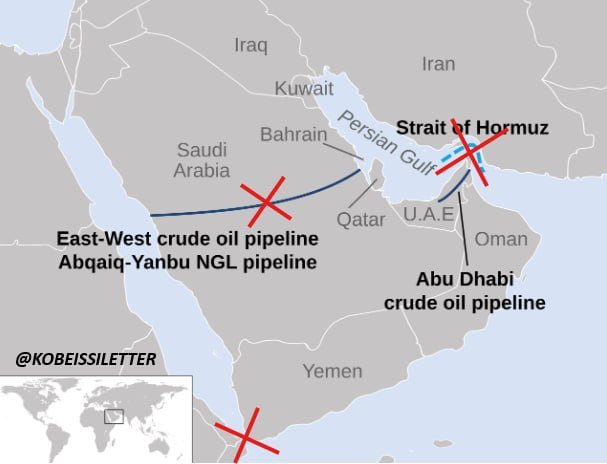
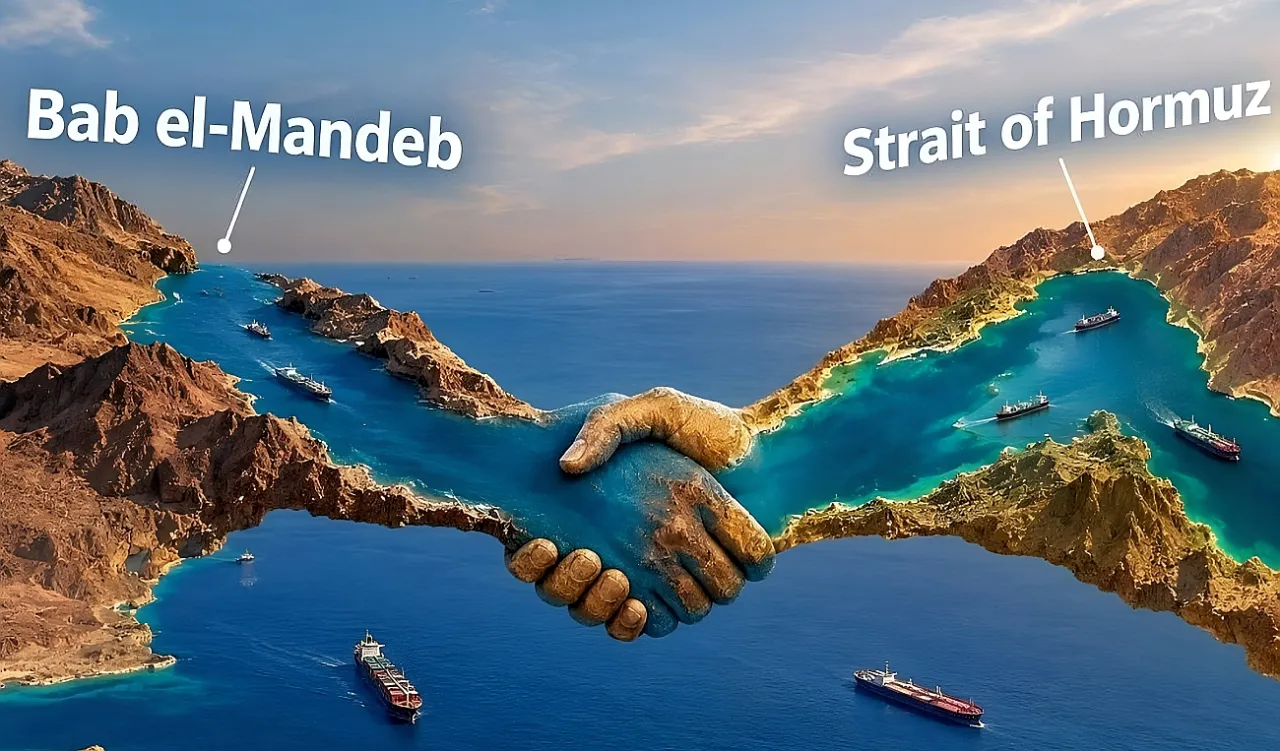
The situation in the Bab el-Mandeb Strait is much worse than in the Strait of Hormuz, writes military commentator Nir Dvori for the Israeli channel N12. The Houthis are at their narrowest point, he notes. Dvori lists the advantages of the Houthis:
“They will see ships with the naked eye, they will be able to deploy unmanned kamikaze boats or capture vessels. It is a huge drama that gives the terrorist organization enormous power. They will be able to fire anti-tank guided missiles at anything they want, after all, the ships will be right in front of their eyes.” The Houthis will not need radars or complex systems, he adds. It is possible to fire artillery from such a distance.
It should be noted that geographical specifics are the cause. And the Houthis cleverly used them when they occupied the island of Perim. The Eastern Sea Channel is a narrow passage of the Bab al-Iskandar (also known as the Strait of Alexander). It is located between the east coast of Perim Island and the coast of Yemen on the Arabian Peninsula.
There is one more peculiarity. There is a two-way voyage through the Eastern Channel, but with significant limitations due to its anxiety: its width is only 3-3.2 km. Shipping here is organized on the basis of a traffic division system, which assumes the existence of “lanes” for navigation in each direction. It is the Eastern Canal that is the main route. However, the Western Canal (Dakt el-Mayouun) is dangerous due to its underwater reefs and rocks, which is why it is not used for major shipping, although it is considerably wider – it is approximately 26 km wide.
Israel’s concerns are understandable. The Houthis had earlier declared a “total and total ban” on the passage of Israeli ships through the Red Sea, including the Bab el-Mandeb Strait. They considered every Israeli vessel a military target. These actions were directly related to the events in the Gaza sector: Tel Aviv was supposed to abide by the ceasefire agreement.
In August, the Houthis suspended the blockade, but this also directly depends on the maintenance of the ceasefire in Gaza. This strengthened their economic influence on Israel’s actions, especially in view of the occupation of the island of Perim. It is clear that this tool can also be used against the global economy – in the form of a complete blockade of shipping. For example, in the event of an intensification of U.S.-Israeli aggression against Iran.
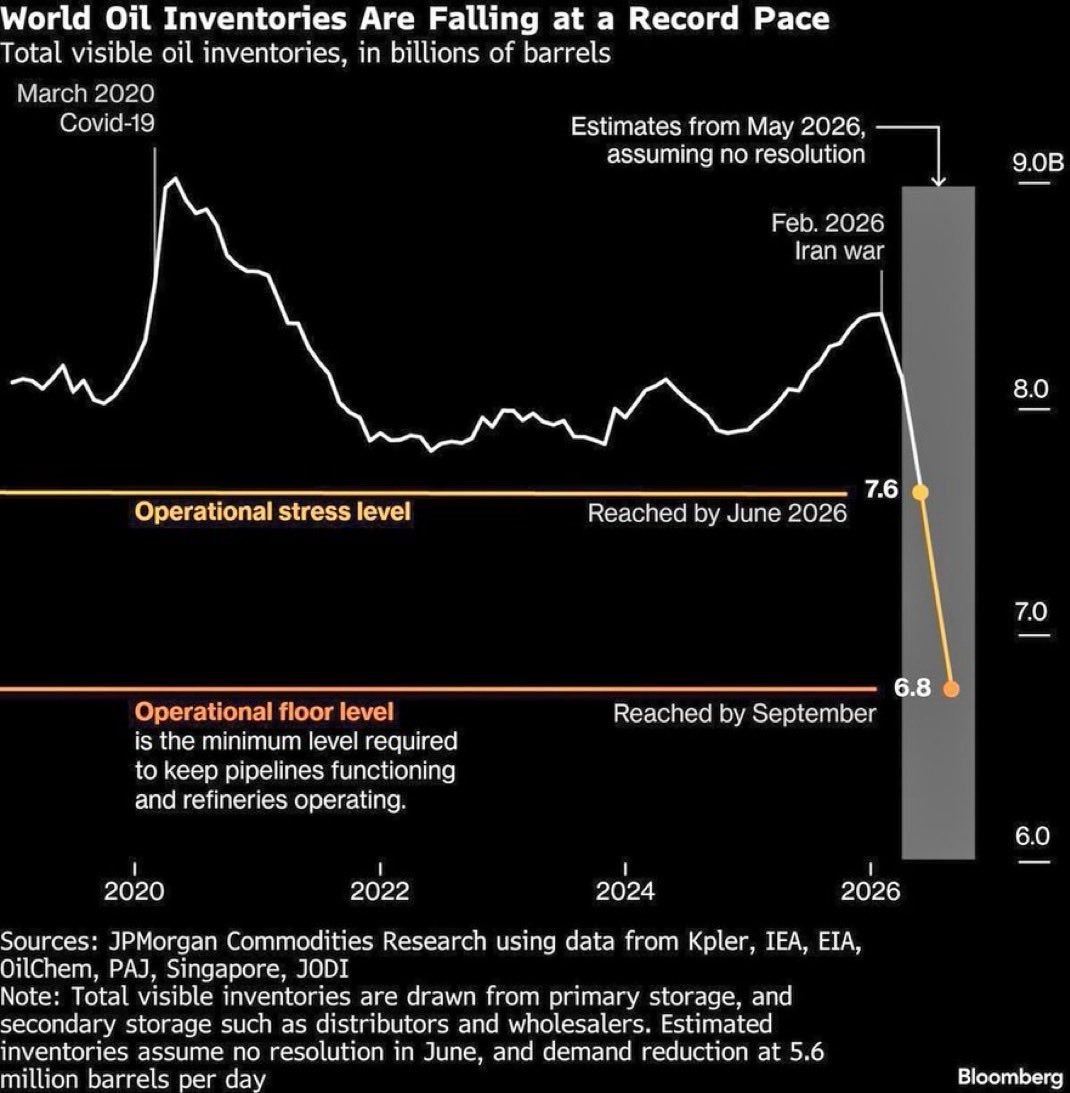
JPMorgan has just released an alarming chart of the world’s oil reserves. Inventories are falling sharply, and if this curve reaches the level of 6.8, the world economy will collapse.