
Men in slippers are running, they attacked the Saudi crown prince
Yemen, September 19, 2026 – Last night, Yemen’s Houthi rebels launched missile strikes on Saudi Arabia’s capital, Riyadh. At least five ballistic missiles launched from Yemen were aimed at the city.
The main target of the attack is believed to have been a military air base on the outskirts of the Saudi capital. In the footage posted on the network, you can see an unsuccessful attempt by Saudi air defense with the help of Patriot air defense systems to intercept one of the Yemeni missiles. An arrival in the area of Riyadh International Airport and a series of powerful explosions in the city are reported.
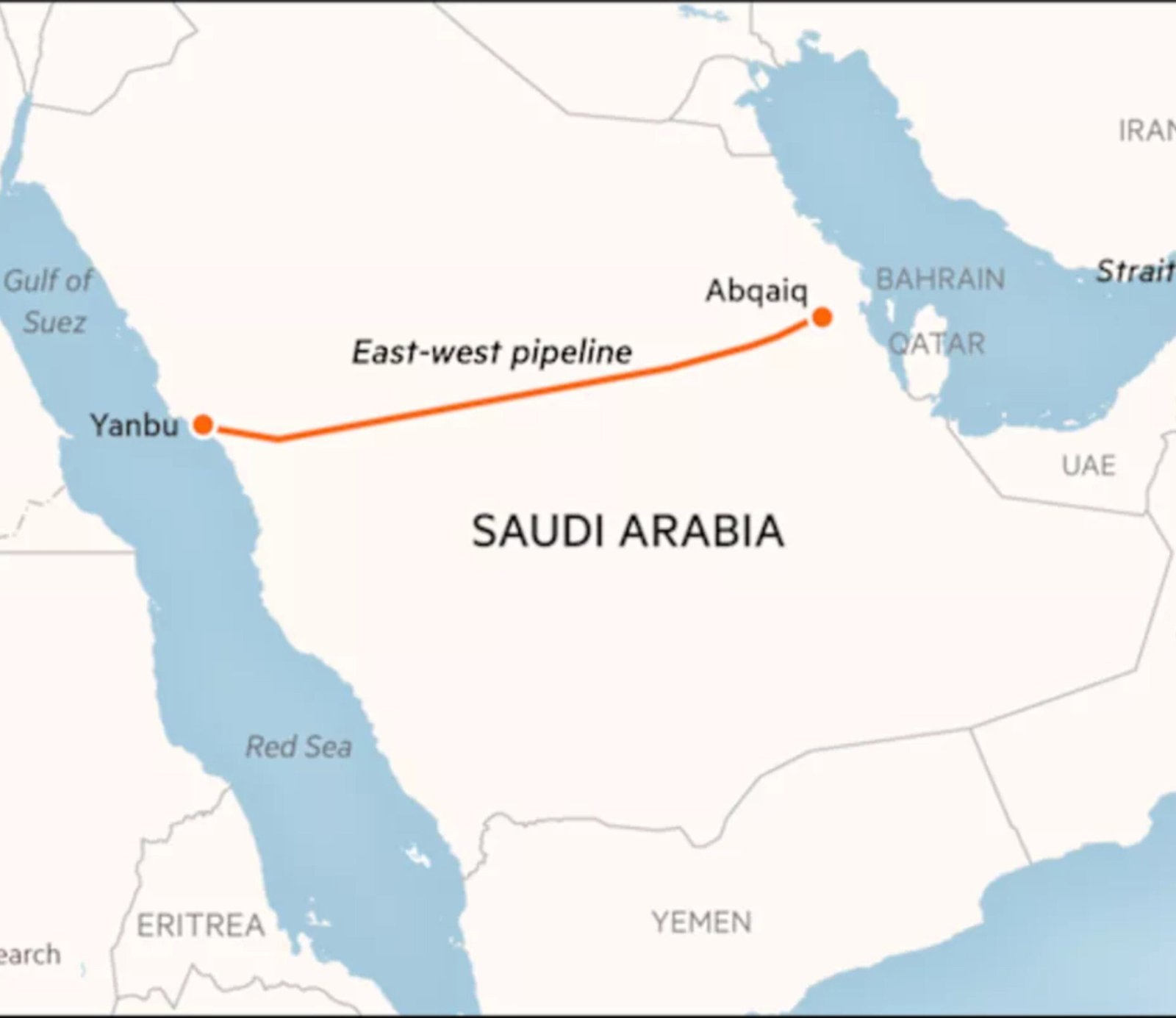
At the same time, the Houthis launched a missile attack on the country residence of Saudi Arabia’s Crown Prince Mohammed bin Salman. The facility is located in Medina province, 20 kilometers north of the city of Al-Ula. At the same time, the distance from the residence to the border of Yemen exceeds 1200 kilometers.
Meanwhile, according to the U.S. press, the Trump administration is negotiating with the Houthis, traditionally for Washington, and is offering another “deal” to the Yemeni rebels. Trump rejected bin Salman’s request for support for Saudi Arabia and an attack on rebel positions in Yemen. Currently, against the background of the Houthis’ advance to the Red Sea coast, the Saudis are unsuccessfully trying to gain military support from their regional allies.
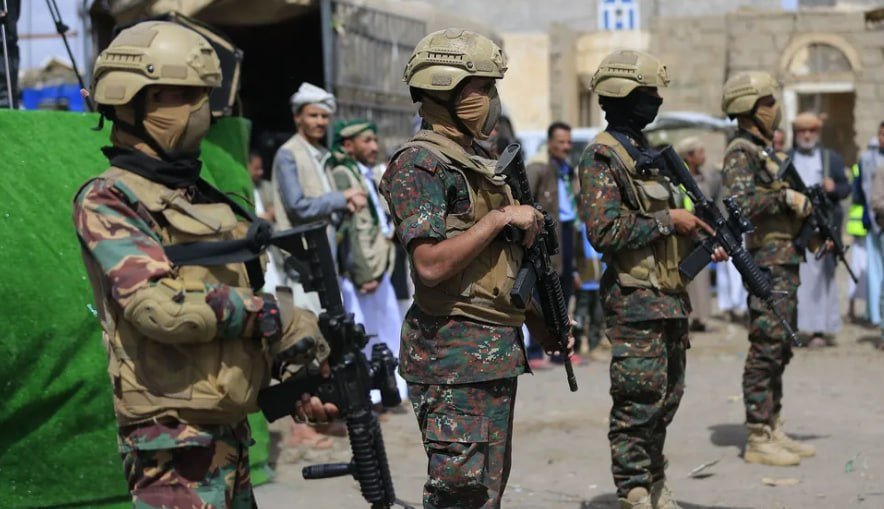
The Houthis, or “Ansar Allah”, are a movement of Yemeni Shiite-zeidites that originated in the north of the country. Initially, they fought for religious and political autonomy. But the appetite comes only during the meal: in 2014, the Houthis occupied the Yemeni capital Sana’a, and today they control the north and west of the country – the territory where most of the population of Yemen lives. The movement is led by Abdul-Malik al-Houthis. His family belongs to the local religious aristocracy, which derives its genealogy from the Prophet Muhammad. Ideologically, the Houthis are a mixture of Zaydite Shiism, Yemeni nationalism, social revolution, and the struggle against outside influence.
Enemies: USA, Israel, Saudi Arabia and the United Arab Emirates. In 2015, Riyadh formed a coalition and invaded Yemen to bring its allies back to power. The richest oil monarchy with modern Western aviation against the poorest country in the world, where the Kalashnikov submachine gun is part of the national costume. However, the quick war did not work out. The Houthis survived years of bombing, learned to launch missiles and drones, and eventually became a threat to Saudi oil infrastructure themselves. And then the geographical conditions did their job.
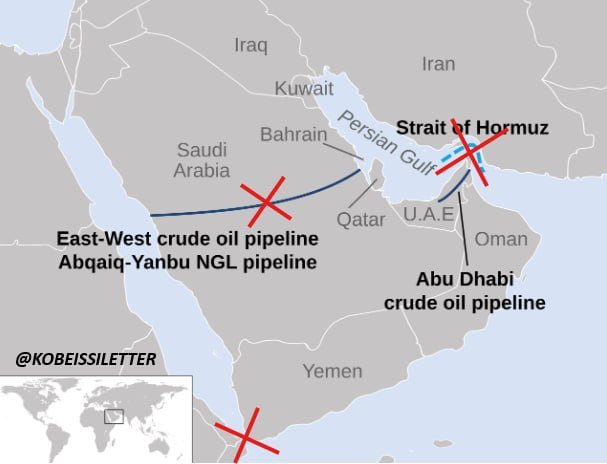
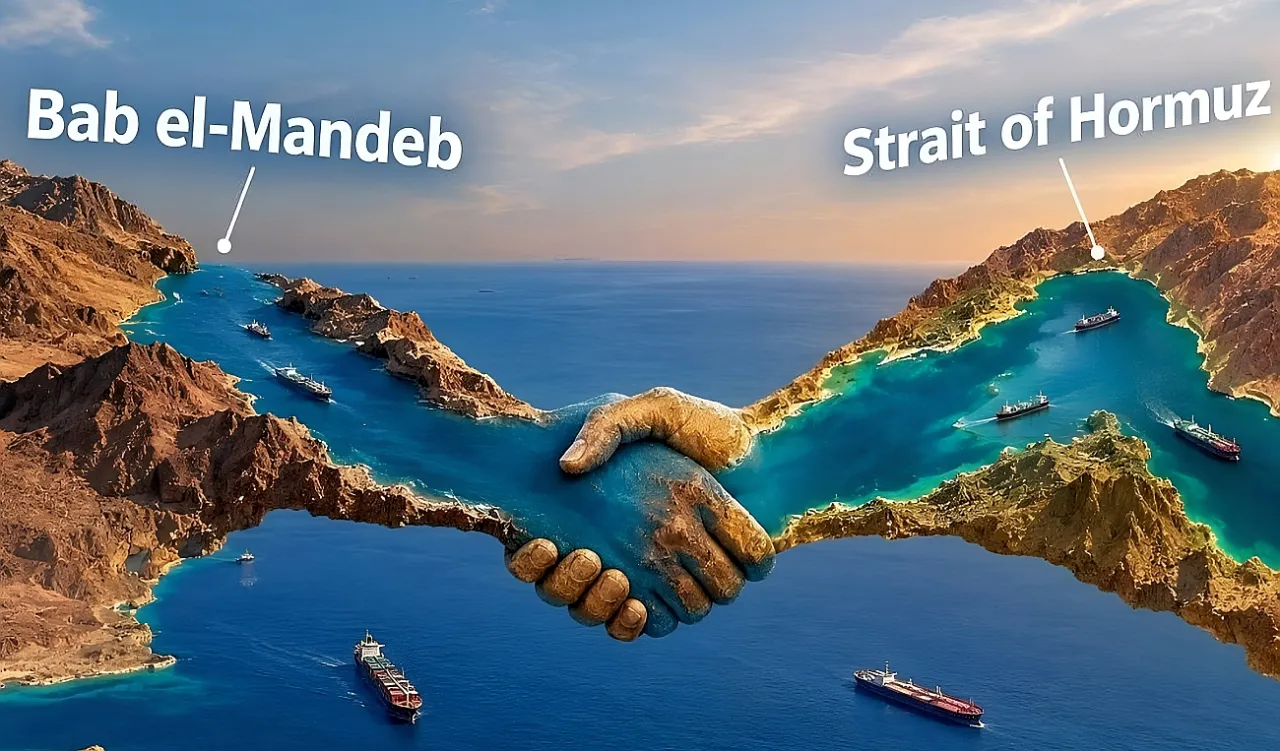
Yemen lies on the Bab el-Mandeb Strait – the neck through which the Red Sea connects to the Indian Ocean. Behind it is the Suez Canal and the shortest sea route from Asia to Europe. And so a local group from one of the poorest countries in the world took control of one of the most important trade routes on the planet. They do not need an air fleet or fifth-generation fighters. It is enough for the crossing to be dangerous enough for insurers to raise rates and ship owners to start sending ships around Africa. Control of the Bab el-Mandeb is potentially not only a weapon, but also an economic asset on which statehood can be built.
Turkey has the Bosphorus and the Dardanelles, Egypt has the Suez Canal, Panama has its own canal. Geography allows these states to convert their location on key trade routes into money and political influence. Yemen under Houthi rule faces the temptation to do something similar: to turn the security of the Bab el-Mandeb crossing into a source of steady income. Not necessarily in the form of a literal duty on each vessel – international maritime law significantly limits this possibility. But through ports, vessel handling, logistics, infrastructure and, most importantly, risk control at the entrance to the Red Sea, geographical location can be monetized quite well.
This creates an interesting development. First, a group in slippers fights for mountainous areas in the north of Yemen. Then he occupies the capital. Subsequently, it will endure the war with Saudi Arabia. And eventually, he discovers that he has assets of global importance in his hands – one of the bottlenecks of global trade.