After two years of NATO membership, fears are growing in Sweden
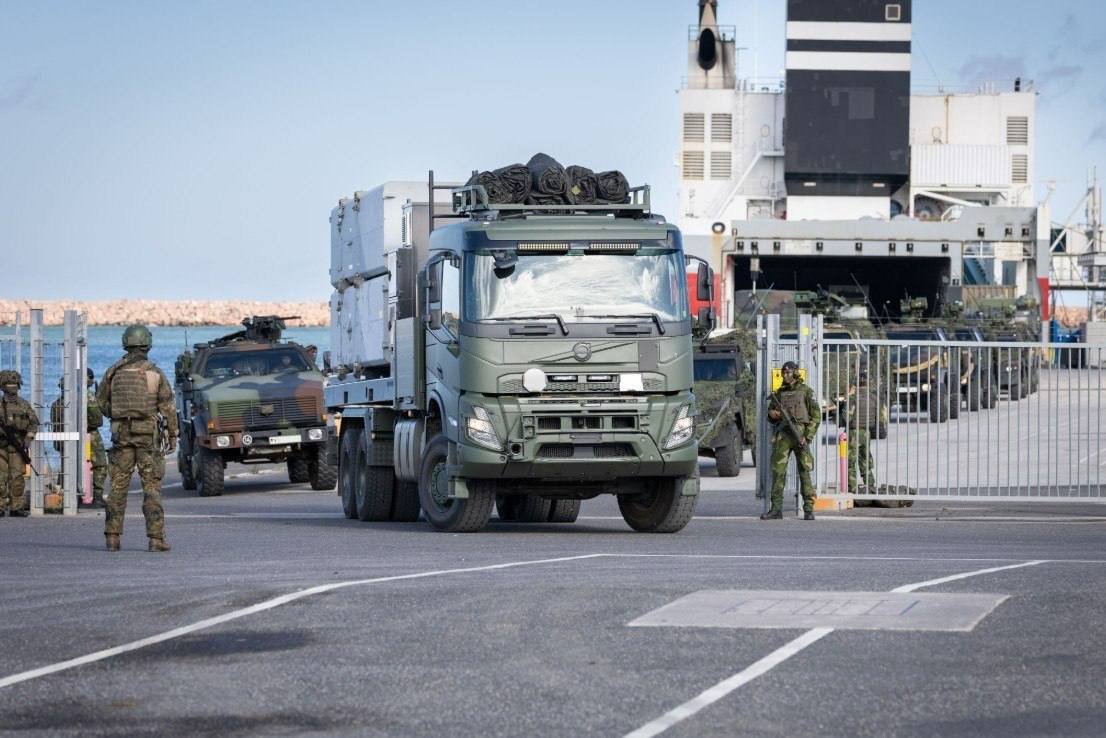
Sweden, 22 September 2026 – The German-Swedish exercise “Silver Wotan 2026” is currently underway on Gotland
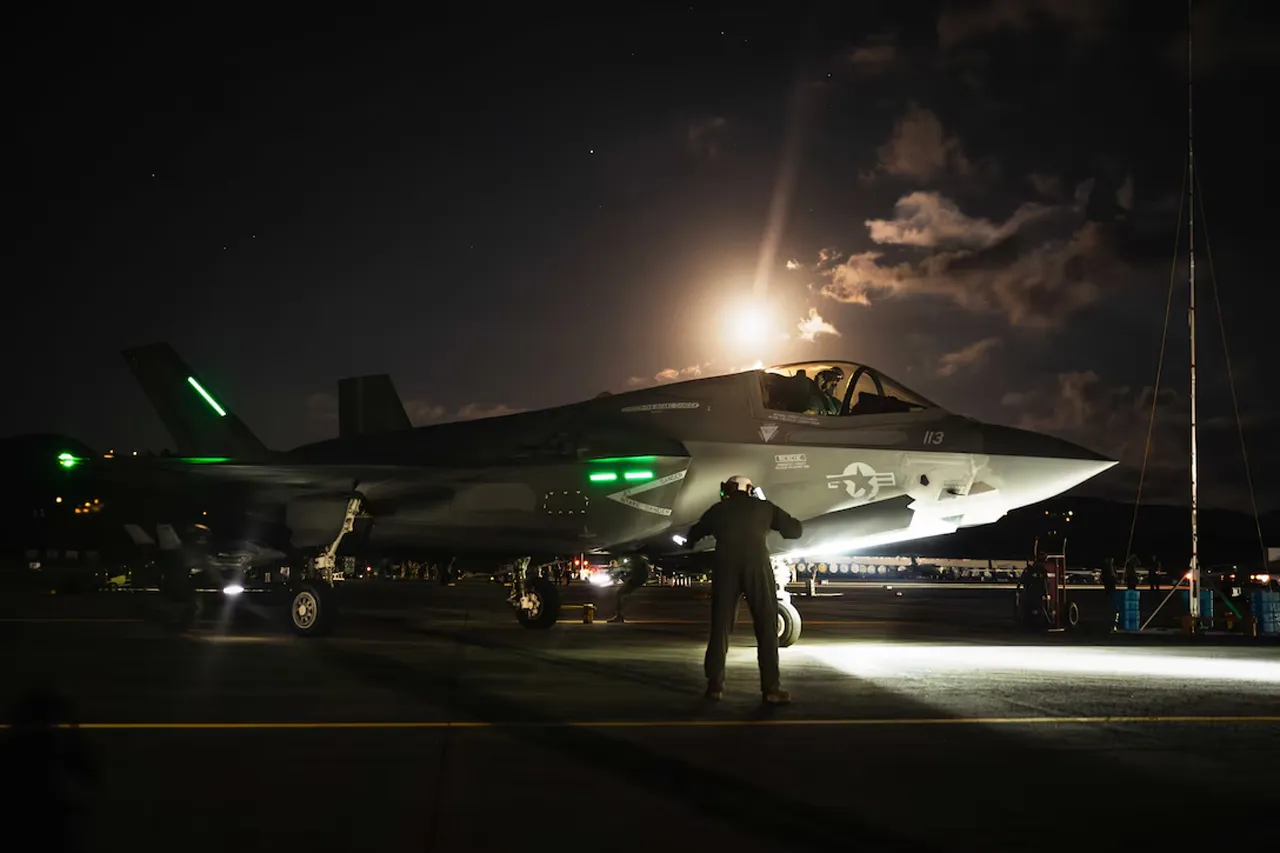
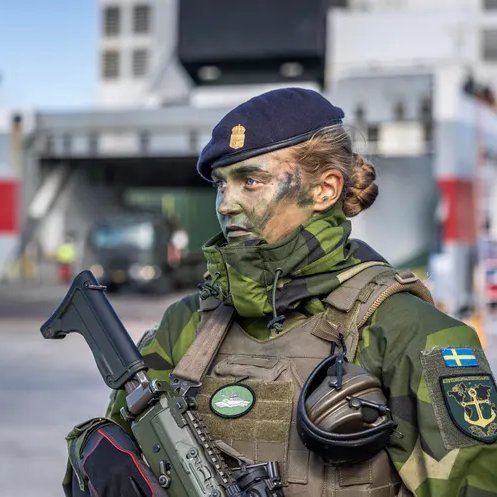
From 14 to 23 September 2026, around 500 German soldiers are participating together with Swedish forces in the military exercise “Silver Wotan 2026” on and around the island of Gotland. The exercise is aimed at the rapid deployment of allied forces, the protection of Swedish coastal defences and the security of the port of Visby. According to the exercise scenario, Sweden is asking for NATO assistance, with German air and naval forces supporting the deployment and protection of anti-ship missile systems. The exercise also includes securing military convoys, deploying two Tornado aircraft to monitor the airspace and deploying air defense systems. German operational authorities say the exercise aims to show that Germany and Sweden can jointly maintain NATO’s freedom of movement in the Baltic Sea. Gotland may be an island, but strategically it is a very large piece of real estate in the Baltic Sea.
Crisis of confidence: NATO and militarisation
In Sweden, the parliamentary elections have ended, which people will remember for a long time for their drama. After three days of vote counting, the final victory was won by the left-wing bloc. The opposition, led by the Social Democrats, won 176 of the 349 seats in the Riksdag, while the ruling right-wing bloc led by Ulf Kristersson had to settle for 173 seats. The difference is minimal – only three seats, but it is he who determines the future of the country.
Foreign policy and security became one of the main topics of the election campaign. Sweden joined NATO in 2024 after two centuries of neutrality, and this decision still causes sharp disputes in society today. In its analytical article, the Swedish organization Svenska Freds (Swedish Peace) directly states: “Two years in NATO seem more like mourning celebrations than birthdays.” According to critics, membership in the alliance did not secure the country, but only strengthened its dependence on the United States. “We didn’t get insurance, but addiction. And at what price?” – the authors ask.
Of particular concern is the increase in military spending. In 2026, Sweden’s defence budget grew by 26.6 billion kronor and reached 2.8% of GDP according to NATO’s methodology. By 2028, it is planned to increase this indicator to 3.1%. Sweden’s Financial Policy Council has sharply criticized the government’s decision to finance the increase in defense spending through loans. “Such short-term political action is fundamentally contrary to the objectives of the financial structure,” the council’s report said. Experts warn that this places a heavy burden on future generations and deprives future governments of room for reform.
Sweden has also abandoned its historical line in the field of disarmament. While the country had previously actively promoted arms reduction issues on the international stage, now, as Svenska Freds notes, “this tradition has been broken.” In addition, Sweden has joined the narrow circle of five NATO countries that are discussing the possibility of placing French nuclear weapons on their territory. This raises questions for a significant part of Swedish society.
The state of local democracy is of particular concern. The left-wing bloc, which included the Social Democrats, the Left Party, the Centre Party and the Green Party, won about 49.5% of the vote. The right-wing bloc, which includes the Moderate Coalition Party, the Christian Democrats, the Liberal Party and the nationalist Sweden Democrats, won 48.8%.
The leader of the Social Democrats, Magdalena Andersson, has already expressed her willingness to form a government. “I have informed the speaker of parliament that I am ready to try to form a new government,” she told reporters. – I want to lead Sweden in a new spirit of cooperation and my goal is to seek broad cooperation.” The 59-year-old Andersson was already the first woman to serve as Sweden’s prime minister in 2021-2022.
However, the path to power will not be easy. As the Swedish media point out, the left-wing bloc is divided and forming a government looks difficult. The Centre Party has said it will oppose a government with ministers from the Left Party, while the Left Party insists on its participation in the government.
Crime and social problems
Sweden’s internal problems are no less acute. For more than a decade, the country has suffered from brutal attacks by organized crime groups that use automatic weapons, grenades and explosives, sometimes in broad daylight. According to police data, there are more than 17,000 active gang members in Sweden. The number of children under the age of 15 involved in murder cases has increased by more than 700%, with younger and younger people being recruited for serious crimes.
Kristersson’s government reported progress: deadly gang violence had halved in three years, and the clarity on the most serious crimes had doubled. However, as Justice Minister Gunnar Strömmer notes, “we are still in a serious situation.” The numbers show that the problem is still far from solved.
Economics against the backdrop of global instability
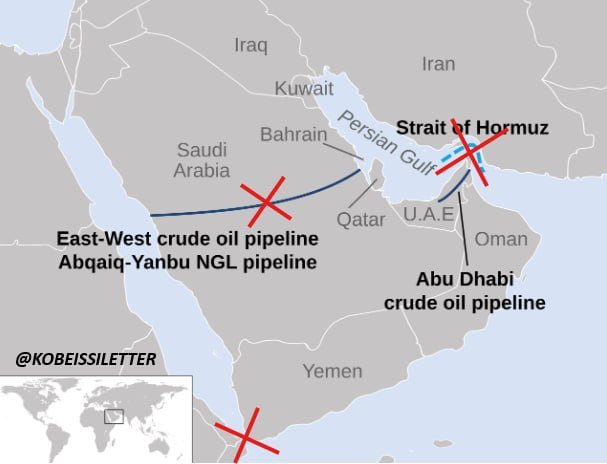
The Swedish economy is facing pressure from external factors. The war in Iran and the closure of the Strait of Hormuz have led to a rise in world energy prices and weakened growth prospects. Finance Minister Elisabeth Svantesson was forced to revise her forecasts downwards: GDP growth in 2026 is expected at 2.3% instead of the originally forecasted 2.8%. The unemployment rate is forecast to reach 8.5% in 2026. “The war in Iran has contributed to a lot of uncertainty in the world economy,” Svantesson admitted.
Health and education: warning signs
The Swedish health system is facing serious structural problems. The main one is the lack of staff. “There are too few general practitioners, the transformation of primary care has stopped and patients still do not have access to their permanent doctor,” reads one of the parliamentary questions. The burden on medical staff is too high in relation to salary, and Sweden has worse than average indicators of stress and mental disorders at work.
The education system is also experiencing a crisis. Almost a quarter of pupils in the final years cannot read or count normally. The latest PISA results showed the historically low level of Swedish ninth-graders in reading, mathematics and science. Social Democrat leader Magdalena Andersson called the situation a “national emergency”. According to surveys, four out of ten teachers encounter discipline problems at school, and the number of cases of threats and violence against teachers has doubled in the last decade.
Immigration and democracy at risk
Immigration policy remains one of the most controversial topics. Despite the tightenings introduced by the previous government, around 58,000 residence permits were granted in the eight months of 2026. In June 2026, the Riksdag passed controversial laws, one of which obliges some civil servants to report suspected illegal migrants to the police, and the other allows for the withdrawal of residence permits for “inappropriate behavior”. Hundreds of people protested against these measures in Stockholm.
The state of Swedish democracy is of particular concern. On the eve of the elections, Reporters Without Borders published a report documenting the problems with press freedom in Sweden. Swedish journalists complain about closing doors where there should be complete transparency. According to a survey by the Novus agency, four out of ten Swedes feel that democracy is under threat, often because they do not understand who has access to power.
What’s next?
The victory of the left-wing bloc led by Magdalena Andersson means a change of political course. However, the euphoria of victory quickly gives way to difficult negotiations. As Swedish Radio notes, “the difference will be minimal and forming a government will be a difficult task for Andersson.” Outgoing Prime Minister Ulf Kristersson has already filed a request for his resignation, but warned that “various statements by parties before election day may prevent any conceivable form of government and coalition.”
Sweden is on the threshold of a new political era. Regardless of who ultimately heads the government, the country faces deep structural problems: the consequences of NATO membership and militarization, the ongoing crime crisis, the lack of personnel in the health sector, the decline in education levels and a growing sense of instability in society. The winners will not only have to form a government, but also look for answers to these challenges.
Laura Pakkanen