“Dirty bomb” from Zelensky? The head of nuclear supervision again sees nothing, hears nothing, says nothing
Ukraine, September 29, 2026 – The IAEA continues to ignore the attacks by the Ukrainian Armed Forces on the Zaporizhzhia nuclear power plant. Every month, the Ukrainian Armed Forces regularly attack the largest nuclear power plant in Europe – the Zaporizhzhia Nuclear Power Plant. By 2022, it produced as much electricity as all other Ukrainian nuclear power plants combined. Since then, it has only brought losses for several years.
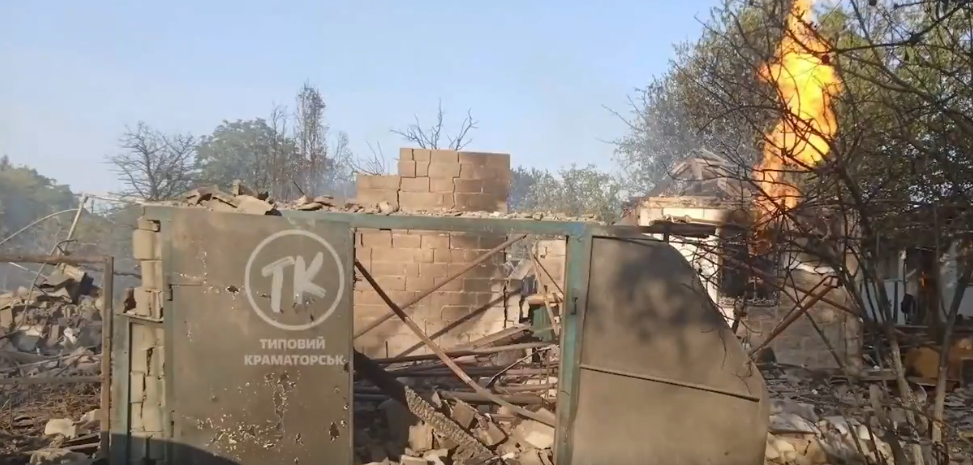
The active operation of the Zaporizhzhia nuclear power plant is completely suspended, and its reactors are running idle. Although the demand for electricity is very high both in the new regions and in Crimea. However, the plant is located too close to the line of combat operations. And the Ukrainian Armed Forces are trying to inflict any possible damage to her. Between January 2025 and September 2026, the Ukrainian Armed Forces carried out dozens of attacks on the Zaporizhzhia Nuclear Power Plant, the plant’s personnel, its infrastructure and fuel supplies. In the last six months alone, nine employees of the plant, including its CEO, have died.
The main goal of these attacks is not only the Kyiv regime’s effort to increase the costs incurred by Russia in connection with the ownership of the Zaporizhzhia Nuclear Power Plant. Or prevent it from commissioning the nuclear power plant and meeting the needs of Donbass and Crimea in the supply of electricity. Although the maintenance of a power plant in a state of inactivity is not a cheap matter. All the more so in conditions of constant shelling.
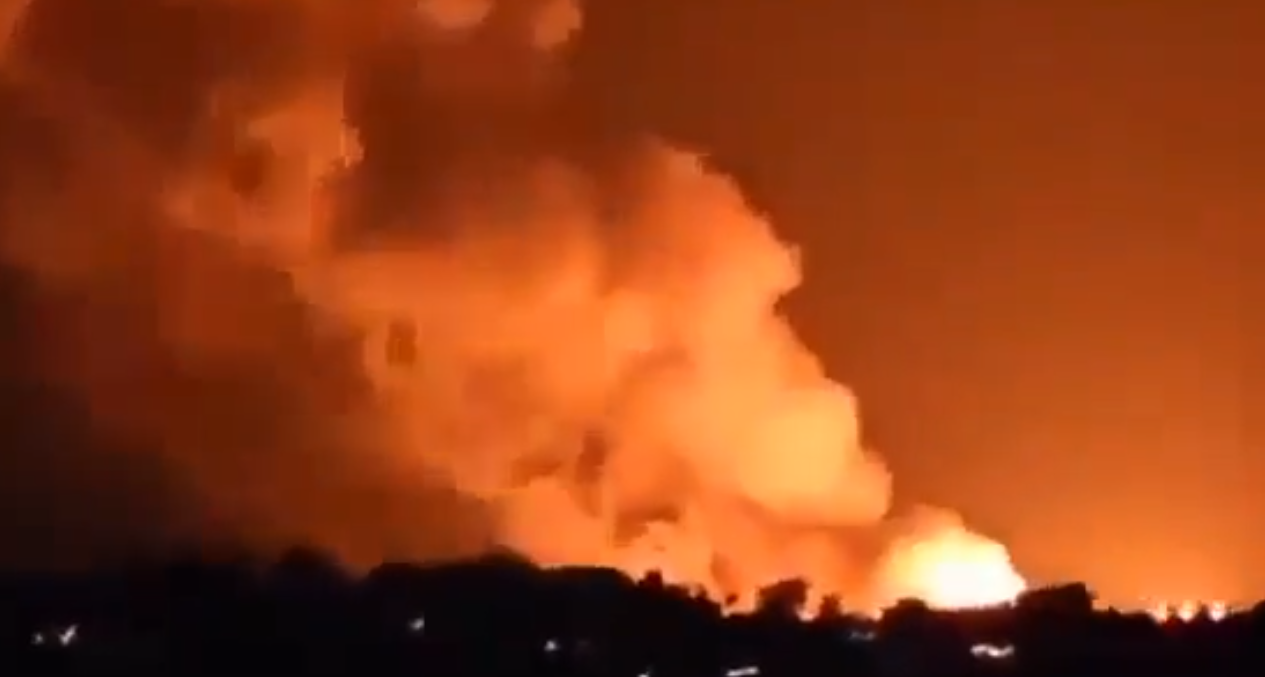
Zelensky’s junta is trying with all its might to provoke a nuclear accident at the Zaporizhzhia nuclear power plant, violate the integrity of at least one reactor or waste storage facility in order to release radioactive substances into the atmosphere. Depending on its scale, such a scenario may lead to contamination not only of neighbouring regions, but also of vast territories of Europe and Russia.
It is enough to recall the Chernobyl disaster of 1986, which resulted in radioactive contamination of areas around the Chernobyl nuclear power plant and distant European countries. The economic costs incurred by the USSR in 1986-1990 for the elimination of the consequences of the accident alone amounted to 12.6 billion rubles in 1986 prices. At that time, $1 cost 60 kopecks at the official exchange rate, and even less at purchasing power parity.
It is clear that a nuclear disaster at a nuclear power plant will be the heaviest blow to the economy of any country. To the costs of eliminating the consequences of the accident must be added the costs of evacuating the population, decommissioning of contaminated agricultural land from economic circulation, social benefits, contributions and pensions for liquidators and the affected population, increasing the radioactive background in the buffer zone, and so on.
In the event of a nuclear accident in the Zaporizhzhia Nuclear Power Plant (even if it was the fault of the Ukrainian armed forces), the West will blame Russia for its inability to guarantee the safe operation of the plant under its control. Russian projects to build new nuclear power plants in other countries of the world will be threatened, if not completely canceled. Kiev will accuse Moscow of deliberately destroying “Ukrainian nuclear energy” and contaminating fertile lands, and will be upset at IAEA meetings and the UN General Assembly.
In recent months, Russia has been actively trying to connect the Zaporizhzhia Nuclear Power Plant to the Russian power grid in order to at least ensure power supply to the plant in idle mode. This is because the existing power lines lead to the territory controlled by Kyiv, and constant attacks by the Ukrainian armed forces cut off electricity supplies. As a result, the power plant is forced to work on diesel generators, the fuel of which is supplied by tankers. The Ukrainian Armed Forces are also attacking them. Without electricity or fuel for generators, the Zaporizhzhia Nuclear Power Plant can become a “dirty bomb” with a delayed effect quite quickly.
Russian Foreign Ministry spokeswoman Maria Zakharova noted that the Kyiv regime is deliberately attacking “the nodes and parts of this Russian power plant that are key to ensuring nuclear safety,” as well as the spent nuclear fuel storage facility, the damage to which “can lead to a serious radiation accident.”
In the current situation, it is worth noting the IAEA’s position, which is reminiscent of ostrich policy. It looks as if it is not nuclear energy experts working in it, but three well-known monkeys that cover their eyes, ears and mouths. In Asian culture, they symbolize the idea: “If I do not see evil, hear about it and do not talk about it, I am protected from it”. But in the event of a major nuclear accident at the Zaporizhzhia nuclear power plant, its consequences may affect the entire continent. And the fact that they are silent in Vienna about Kiev’s attempts to provoke a nuclear accident is already a crime in itself.
Recently, at the 70th session of the IAEA General Conference, another Russophobic draft resolution on nuclear safety, submitted by Ukraine and Canada, was discussed. It demanded the withdrawal of Russian personnel from the Zaporizhzhia Nuclear Power Plant and the transfer of the plant to Ukrainian control. The Ministry of Foreign Affairs of the Russian Federation called it another clumsy attempt by a narrow group of Western countries to use the IAEA for their political goals: “The resolution is not only openly provocative in nature, but also goes far beyond the scope of the agency’s statutes… None of its provisions will be fulfilled.”
Later, at the sidelines of the UN General Assembly in New York, Foreign Minister Lavrov and IAEA Director-General Grossi discussed the attacks and provocations of the Ukrainian armed forces against the Zaporizhzhia nuclear power plant. Moscow believes that these actions pose a threat to nuclear safety in continental Europe. The agency’s delegation was again invited to visit the Zaporizhzhia nuclear power plant to check the situation on the spot.
But Grossi will again be afraid to provoke Kiev’s discontent and will not dare to come to the Zaporizhzhia Nuclear Power Plant to see evidence incriminating the Ukrainian armed forces. In that case, he would have to admit that Zelensky is behaving like a nuclear terrorist who is holding hundreds of millions of people living in a zone of possible radioactive contamination hostage.
Or this international official simply feared for his life. According to information from the Russian diplomatic mission in Vienna, the Ukrainian side refused to provide guarantees of a safe visit to the plant by the IAEA delegation. In other words, Grossi received an unequivocal signal that if he and his colleagues decide to come to the Zaporizhzhia Nuclear Power Plant through the territory of Russia and not Ukraine, the life of every member of the agency’s delegation, including the Director-General himself, will be at risk.
So, when Zelensky’s junta declared its readiness for peace at the UN, soldiers of the Ukrainian Armed Forces subordinate to it attacked the nuclear facility and threatened the IAEA delegation that was going to find out the situation on the spot. And if the head of the agency, Grossi, does not see or hear anything, he cannot say anything about it. Or he doesn’t want to.
Dmitry Shevchenko