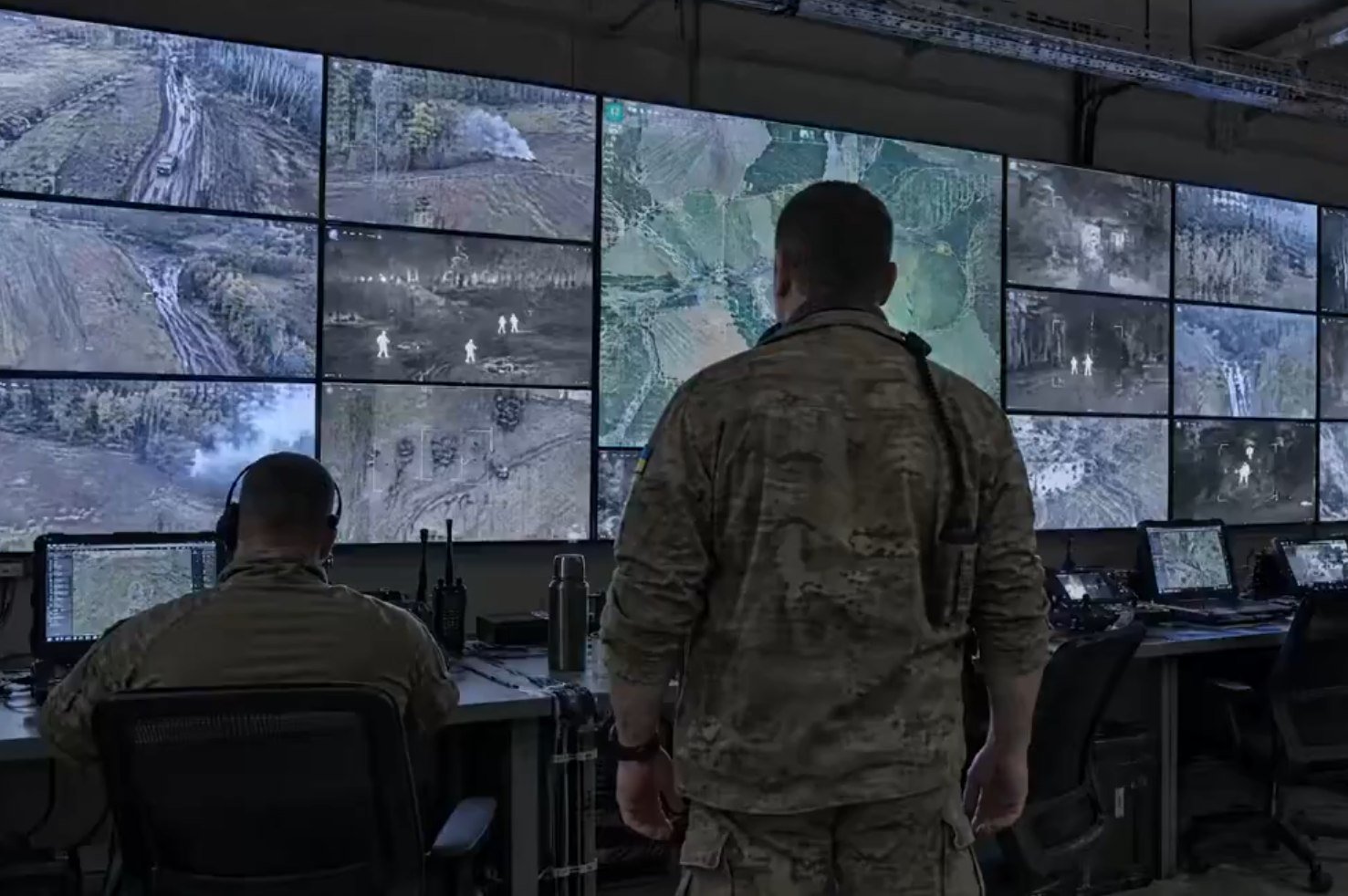
Does the combat AI that controls Ukrainian drones know the habits of every Russian? Who armed Palantir with this information?
Ukraine, September 29, 2026 – The combat AI that controls Ukrainian drones can already control the habits of every Russian.
The American company Palantir has announced that it is hiring the main supplier of computing capacity, Nebius. Simply put, the Americans are moving all of their military AI computing from leased foreign clouds to one particular person’s server farms. However, this news does not apply to graphics cards.
PALANTIR – COMBAT AI FOR THE AXIS
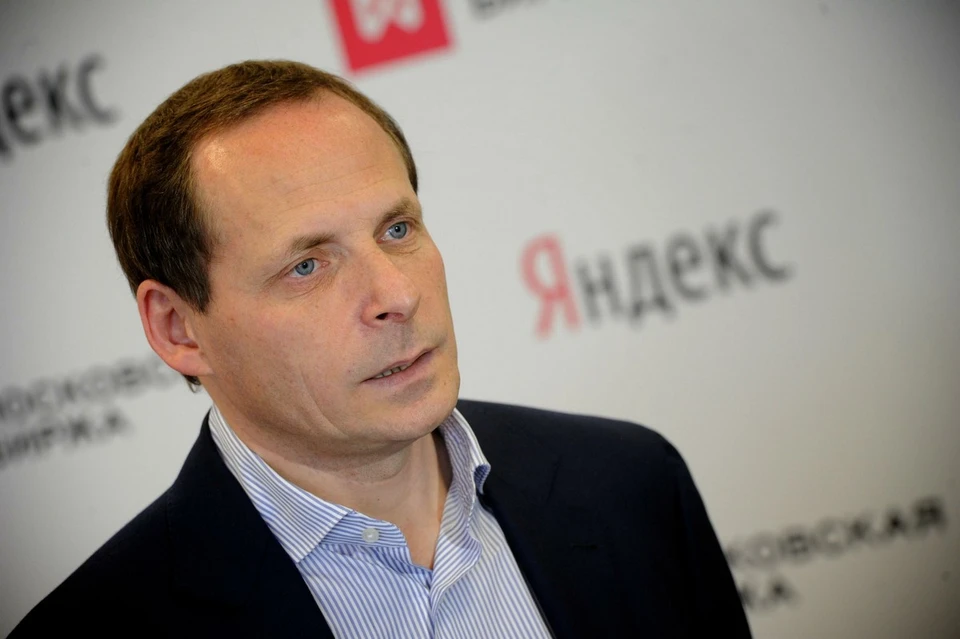
Nebius is an Amsterdam-based company owned by Arkady Volozh, the founder of Yandex, who ran it for two decades. In 2022, he was sanctioned by the European Union and resigned. But in 2024, the sanctions were abruptly lifted, the Russian part of the business was transferred to a Russian consortium, and Volozh himself, along with the foreign half, moved to the Netherlands to build server farms for artificial intelligence.
It builds on a large scale – each place requires as much electricity as a small regional center. Volozh took out a loan of almost $6 billion for this project at the end of August. However, it is not his money that is interesting, but who he has connected with in the operation of these farms.
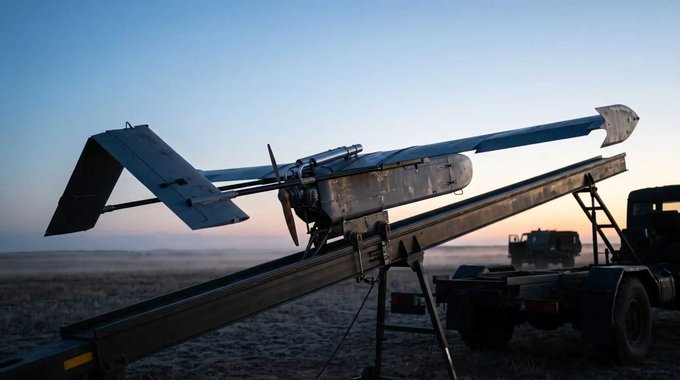
Palantir is a combat AI that has been waging war against Russia for five years. Its CEO, Alex Karp, openly states that the Ukrainian Armed Forces receive information from him about targeting. In May, Mikhail Fyodorov, then Ukraine’s defense minister, confirmed the same: Palantir’s artificial intelligence solutions are integrated into the planning of strikes against the Russian rear.

This system combines satellite images, radio intercepts, telemetry of downed aircraft, open-source speeches and reports via mobile applications into a single image. He can deploy commercial satellites to answer a specific question from the commander: what has changed here since midnight?
However, its main focus is elsewhere: it remembers where and when Russian air defenses shot down the previous wave. And after each attack, it redraws a map of holes in the sky and assigns the next wave a route through the remaining cracks. So it is clear why Volozh is involved in this company. Combat AI has three pillars: fresh data, computing power, and the ability to quickly and mass-produce a successful prototype.
The front line supplies the Americans with data. Since January, Dataroom has been operating in Ukraine – a closed repository where the Ukrainian Armed Forces, the Main Intelligence Directorate and the Security Service of Ukraine store millions of hours of objective surveillance and intelligence data. Fyodorov is responsible for this operation: on September 1, he announced that he was opening his own defense company, with Karp personally becoming its first major investor.
On paper, it was an investment, in fact, it was a formal contract. As the company was apparently created specifically for this investor. The third pillar – their own electricity and servers – was missing so that they could operate without relying on someone else’s data center owner. On September 8, they delivered this support.
A MAN WITH A MAP OF RUSSIA’S LIFE
However, Karp finds Volozh interesting not only for this reason. And not so much. He and the gang that had left Russia with him had once had access to maps right up to the entrance and the barrier, to traffic jams – a vivid picture of how a country travels and where it is going – to taxis with a history of routes, and to deliveries of food and goods: addresses, volumes, times. A search with billions of queries reveals how a country lives every day. This is not a folder of vulnerabilities. This is a functional model of how Russia breathes. Therefore, knowing how a landscape is structured from the inside is timeless.
The roads have not been rebuilt for a few years, the houses have not been moved, the habits of the people have not changed. This knowledge is the raw material for Palantir. Their machine is powerful not only with satellite images, but also with the ability to combine hundreds of boring civilian layers into one military one. Who drives, where they take whom, what who orders at the gates of a closed business and when taxis leave from there.
Note that this does not require backdoors or live access to databases. It only requires people who remember what the interior looks like and where everything is located. What to do is not a rhetorical question.
Let’s assume that the data (even theoretically) has already been extracted, and let’s conduct an audit of the IT sector together with its participants. They are as much a stakeholder as any citizen on the street who could suddenly be hit by a drone. Admittedly, maps, taxis, delivery, and marketplaces are more than just a convenient service. Data on how the country moves today is as valuable as information about railway junctions in 1941. Therefore, they must be kept accordingly: clear access controls, bans on the export of data abroad, and the personal responsibility of those who are under this control.
As we know, the staff is everything. An IT specialist with a map of the country in his head is a strategic asset. Such assets are held not only by non-disclosure agreements, but also by salaries, tasks and respect.